
Reviewed · OPERA & CLASSICAL CONCERTS
Palermo: Teatro Massimo Opera House Guided Tour
Palermo’s Teatro Massimo is more than a pretty theater you admire from the sidewalk. Inside, you move from a sculpture-filled foyer to a glowing auditorium, the royal box, and rooms built for the theater’s grand social life. I especially like the chance to hear how the building works as an opera house, not just how it looks, and the views of Palermo from above are a fine bonus. The $14 price is modest for such a central cultural stop.
I also like that you can join a tour in several languages and, on a good day, catch an orchestra or ballet rehearsal. The main caution is the short running time. Although the tour is advertised at about 40 minutes, some visits finish closer to 30, and stage or backstage access is not guaranteed.
Key points to know before you go
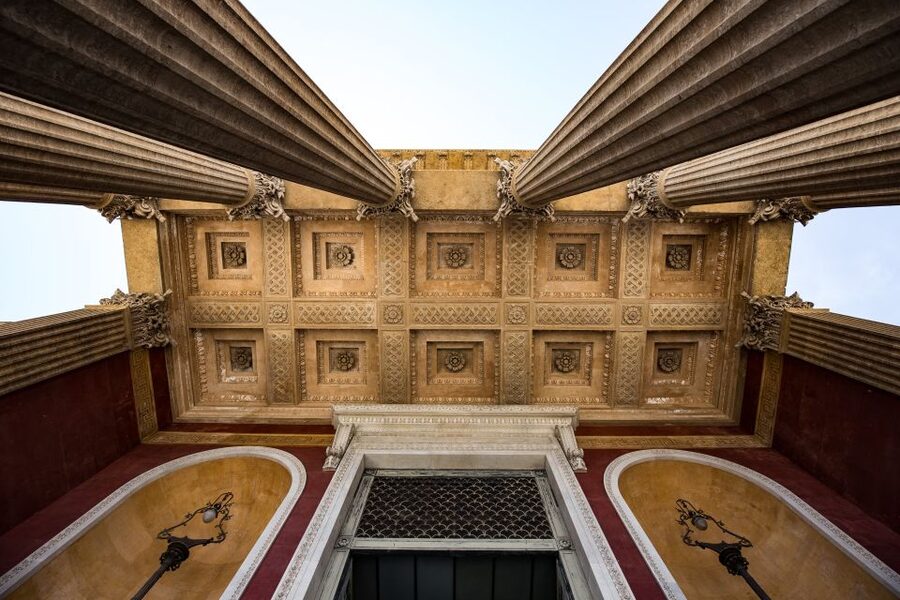
- The tour starts in the grand foyer: Look for sculptures and bronze-decorated candelabra before entering the main theater spaces.
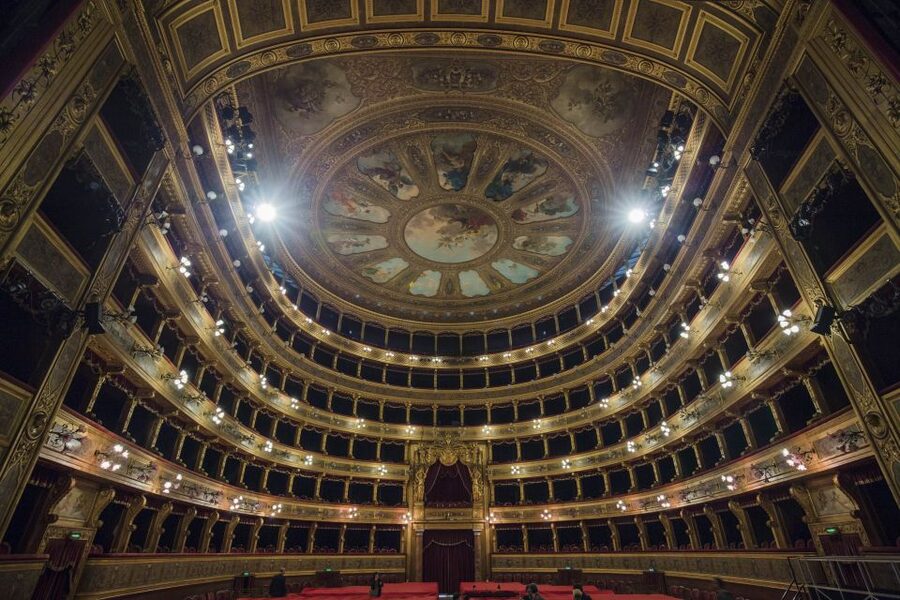
- The auditorium is the star: Golden stuccoes, woodwork, velvet, glass, and the royal box give you the full Teatro Massimo effect.
- Rehearsals can add a lucky extra: You might see musicians, dancers, or singers working in the theater, though this depends on the day.
- The tour is short and guided: Plan on roughly 40 minutes, with some visits lasting closer to 30.
- Language affects the pace: Guides may present the same tour in Italian and English, or another language, one after the other.
- The rooftop view is worth noticing: The top of the theater gives you a different angle on Palermo than street level.
Why Teatro Massimo deserves a place in your Palermo plans
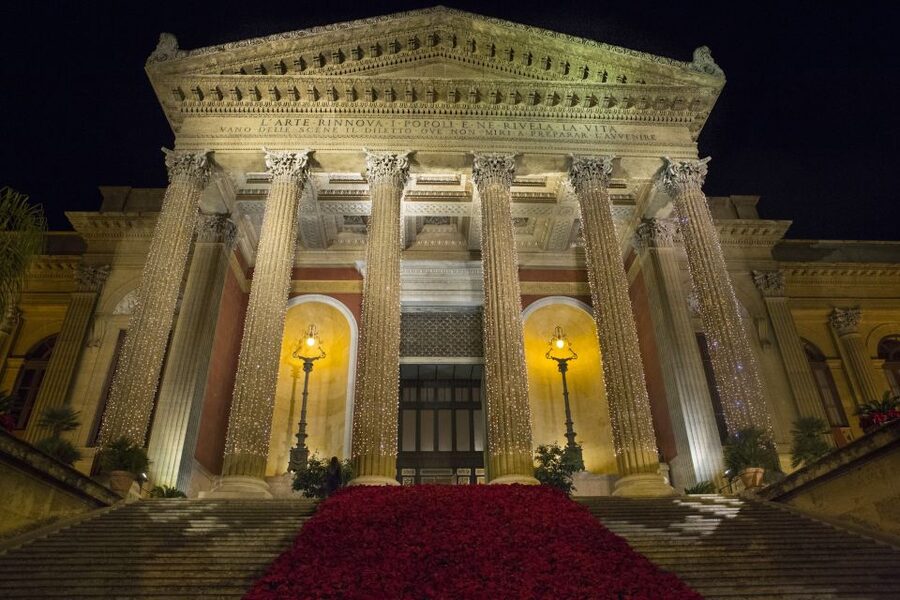
Teatro Massimo is one of Palermo’s defining buildings and the third-largest opera house in Europe. Even if you do not attend an opera, a guided visit gives you a useful look at the theater’s design, ceremony, and practical workings.
I like this tour because it answers the questions you cannot answer from outside. Why are there so many waiting rooms? What is the royal box used for? How does a stage support a full opera production? The guide explains these points while you walk through the building, so the decoration has a purpose instead of being just another set of grand rooms.
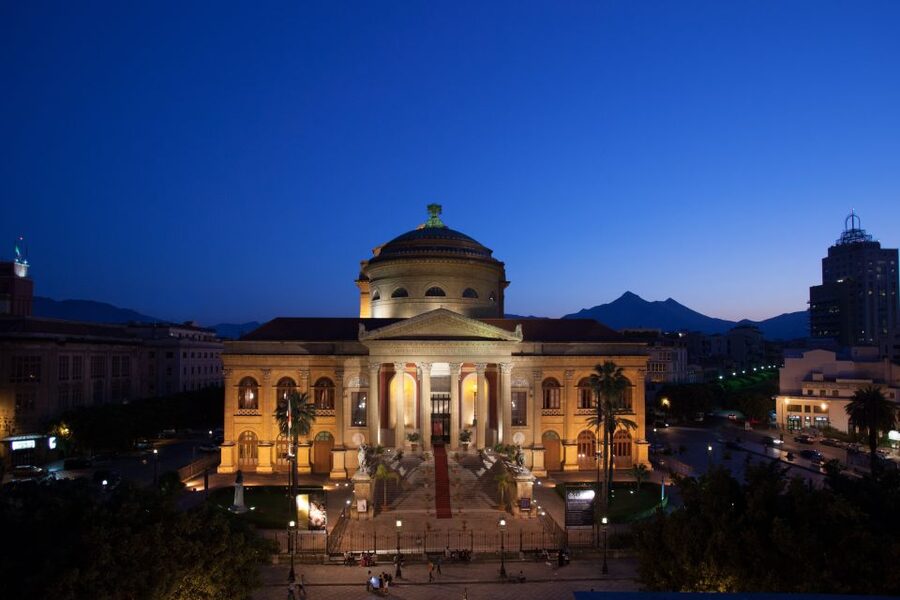
The tour also gives you a sense of scale. From the street, Teatro Massimo is imposing. Inside, it feels even larger, with broad public spaces, the auditorium, side rooms, and upper views across Palermo. You are not simply looking at a facade and taking a quick photograph.
At the same time, you should set your expectations correctly. This is a short introduction, not a full technical tour of the theater. Access depends on what is happening inside. Some groups have reached the stage, while others have seen only the public rooms because rehearsals, lighting work, repairs, or private events restricted access.
Other evenings out in Palermo:
- Venice: La Fenice Opera House Entry Ticket with Audio Guide
★ 4.6 · 11,742 reviews - Milan’s Must See: Half-Day Tour of Last Supper, Duomo & La Scala
★ 4.0 · 4,193 reviews - Venice: Interpreti Veneziani Concert at Church of San Vidal
★ 4.8 · 3,256 reviews
Starting at the ticket office on Piazza Verdi
Your visit begins at the Teatro Massimo ticket office, where you exchange your GetYourGuide voucher for a theater ticket. This step is simple, but it is worth going directly to the ticket desk rather than waiting in the general line.
After exchanging the voucher, you join the next available guided tour in your language. The ticket is valid for the day, so you have some flexibility if the first tour time does not fit your schedule. Guided departures are available between 9:30 AM and 5:30 PM, with the final tour starting at 5:00 PM.
The practical advantage is clear: you do not need to lock yourself into one narrow time if you are building a busy Palermo day. Still, I would not arrive at the last minute. The foyer can become hectic, and a tour may already be gathering or filling.
The booking includes free cancellation up to 24 hours before the visit, and you can reserve without paying at once. Those terms are useful if your Palermo plans are still changing, but the main value here is the low admission cost and easy central location.
The foyer, where the tour begins
The foyer sets the tone. It is an opulent entrance space with sculptures and bronze-decorated candelabra, the sort of room designed to make an evening at the opera feel important before you even reach your seat.
Your guide begins explaining the theater here, often in two languages. Italian and English are common combinations, though tours are also available in French, Spanish, and German. If the group is mixed, the guide may speak first in one language and then repeat the information in another.
That arrangement has both good and bad sides. It can make the presentation feel hurried, especially when one guide is handling a large English-speaking group alongside Spanish or Italian speakers. On the other hand, the pauses give you time to look around and take photographs.
I would use the foyer as your first chance to slow down. The tour itself keeps moving, and the information comes in short bursts. Look up at the lighting, study the sculpture, and notice how the entrance creates a transition from ordinary Palermo to the formal world of opera.
The auditorium and its layers of decoration
The auditorium is the visual heart of the visit. You see golden stuccoes, wooden decorations, velvet, and glass arranged to create a warm, formal interior. The effect is grand without being difficult to understand: this is a room built to impress from every seat.
The guide explains how the room functions and points out details you might otherwise miss. You can also take photographs, though the group may not stop for long at each angle. On some visits, the auditorium has been partly dark because lighting work or another theater activity was taking place.
That possibility matters if you are hoping for perfect photographs. A working opera house is not a museum frozen in time. The same activity that limits your view can also make the visit more interesting, since you might hear an orchestra rehearsal or see performers preparing.
A few groups have caught auditions, orchestra practice, or ballet rehearsals. These moments are not part of the guaranteed program, but they can make the building suddenly feel alive. Hearing musicians work in the auditorium also gives you a practical sense of the room’s acoustics.
One useful detail is the seating itself. Some visitors have noticed that the theater seats are remarkably comfortable. That may seem minor, but it helps you picture the building as a working performance space rather than only a historic interior.
A few more things to do in Palermo
- Palermo: Private Custom Walking Tour with Local Guide
★ 4.7 · 661 reviews - Palermo: Street Food Walking Tour with Local Guide & Tasting
★ 4.9 · 632 reviews - Palermo: UNESCO World Heritage Sites Guided Walking Tour
★ 4.8 · 548 reviews - Palermo: Guided Bike Tour with Street Food Tasting
★ 4.8 · 479 reviews
The royal box and the best view inside
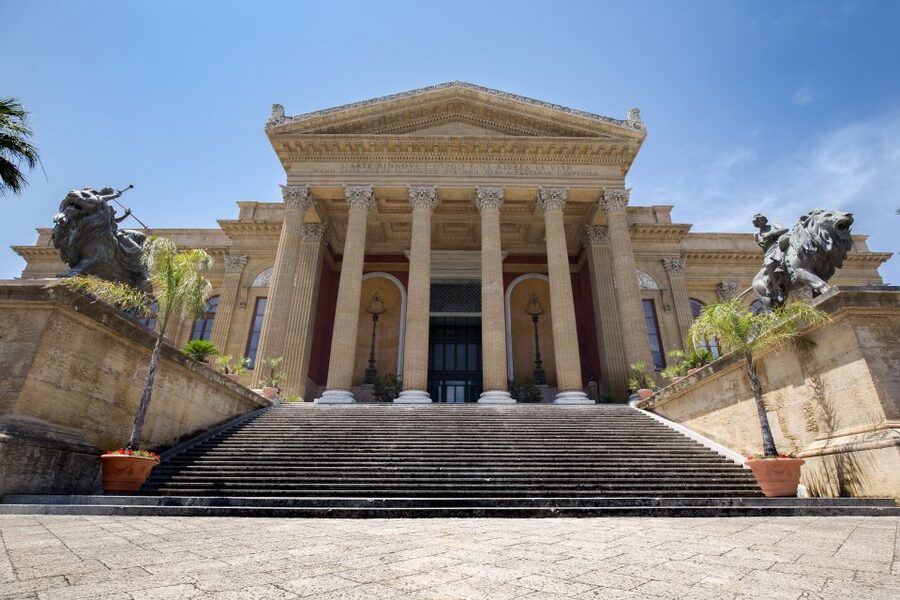
The royal box is one of the clearest highlights. From here, you get a strong view over the auditorium and a better sense of how the room was arranged for important patrons.
I find this stop valuable because it connects the theater’s decoration with its social structure. The opera was not only about what happened on stage. It was also about who occupied the best positions, who waited in which rooms, and how the audience saw and was seen.
The guide normally allows time to look around and take photographs. The view from the box has been singled out as especially good, so do not rush away after the explanation. If the group is large, you may need to share the space and wait briefly for a clear photo.
Some people would like to enter an ordinary theater box as well as the royal one. That is not always part of the route, and access to extra boxes is limited by group size and theater operations. The royal box gives you the main idea, but it does not turn the tour into a complete exploration of every seating area.
The Pompeian Rooms and other public spaces
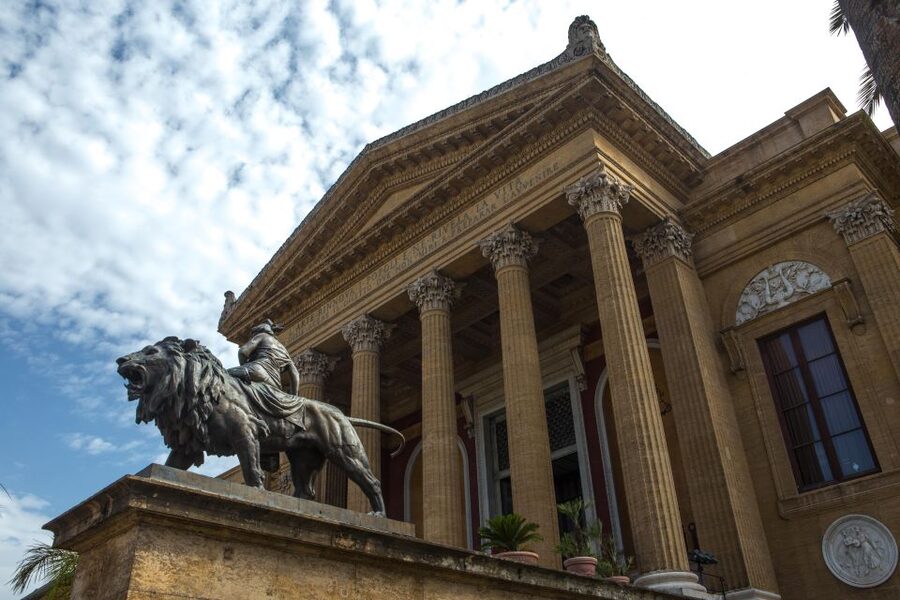
The route can include the Pompeian Rooms and the Coat of Arms, along with other waiting and reception spaces. These areas help explain how opera audiences used the building before and during a performance.
The Pompeian Rooms bring a different mood from the auditorium. Instead of one huge theatrical view, you get rooms where color, decoration, and social movement matter. The Coat of Arms adds another visual detail to the tour, while the smaller waiting chambers show that Teatro Massimo was designed for more than sitting quietly in front of a stage.
The exact selection of rooms can vary. Several visits have focused on the main foyer, two smaller waiting chambers, the royal box, and the auditorium. You may not see every room listed in the general description, particularly if the theater is preparing for an event.
That is one reason I would treat the visit as an introduction. It gives you the main public spaces and the story that ties them together, but it is not a room-by-room inspection. If you want to spend a long time studying architecture, you may feel rushed.
Seeing how an opera works
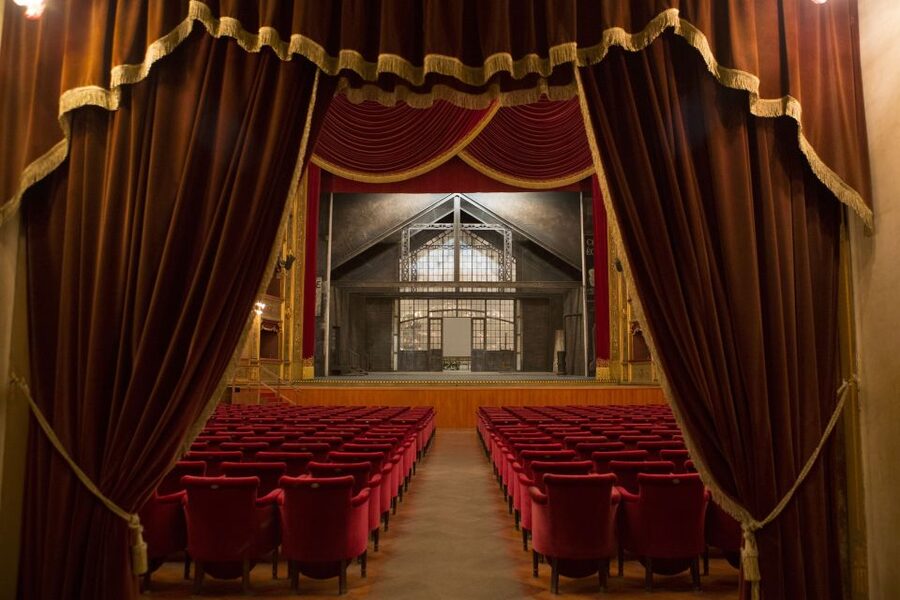
The tour description includes a visit to the stage and an explanation of what is needed to put on an opera. This is potentially the most useful part for anyone curious about theater production.
In practice, access varies. Some groups have reached the stage and seen how the working theater supports a performance. Other groups have had no stage access because of rehearsal schedules, lighting sessions, construction, or private events.
That difference is important. Do not book this tour expecting a guaranteed backstage visit. Think of the stage stop as a possible addition, not the whole reason for coming.
Even without stage access, the guide explains the building’s function and gives you a sense of the work happening beyond the audience’s view. If you are lucky enough to see an orchestra, ballet, or vocal rehearsal, you get something a regular architecture tour cannot provide.
I would especially recommend listening during any rehearsal. The theater’s acoustics become easier to understand when you hear the space being used. A quiet auditorium tells you what the room looks like. A rehearsal helps you understand what it does.
Guides, languages, and the pace of the visit
The quality of the tour depends heavily on the guide and the language arrangement. Daniele has been praised for making the tour engaging and for explaining the building with energy. Martha has also led a well-received visit, and other guides have handled Italian and English groups with clear explanations.
The strongest guides do more than recite dates. They explain why the rooms exist, how the theater functions, and what details deserve your attention. A good guide also leaves enough silence for you to look and take photographs.
The main weakness is pace. When a guide delivers the information in two languages, the presentation can become long in one sense and hurried in another. You may stand still while the explanation is repeated, then move quickly through a room to keep the schedule.
Group size also affects the experience. A smaller group of fewer than 20 people is easier to hear and easier to manage. Larger groups can become scattered, especially in the foyer or wide public rooms. Stay close to the guide and avoid assuming the group will wait if you wander off for a photograph.
I would choose a time when you are not rushing to lunch, a train, or another timed visit. The tour is short, but its bilingual format and changing theater conditions can affect the rhythm.
How much time to allow and what to photograph
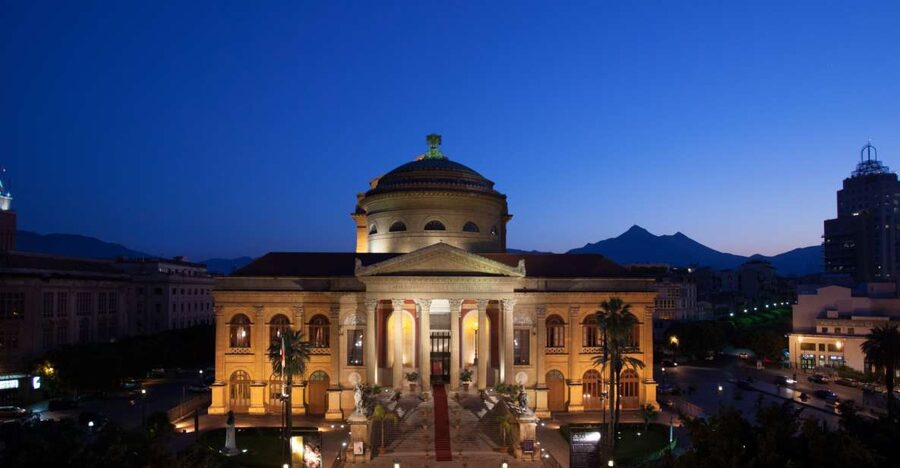
Allow about 40 minutes for the guided portion. Some visits have lasted just under an hour, while others have been closer to 30 minutes. The official description calls it a 40-minute tour, so that is the safest planning figure.
You should also allow extra time for exchanging your voucher and joining the group. The ticket office process is generally straightforward, but the foyer may be busy. Arrive with enough breathing room to find the desk and listen for the next language group.
Your camera will be useful in the foyer, auditorium, royal box, and upper parts of the building. The most worthwhile photographs are not necessarily the widest ones. Try to capture the bronze candelabra, the wood and velvet details, the gold work, and the view from the royal box.
Photography conditions can change. The auditorium may be dark during a lighting session, and the guide may need to keep the group moving. If you want a careful architectural study, use the pauses between explanations rather than waiting for a long dedicated photo stop.
Is $14 good value in Palermo?
At $14 per person, I consider this a good-value cultural stop. The price is low enough to fit into most Palermo itineraries, yet the visit takes you into a building that would be difficult to understand from the outside.
The value is strongest if you care about architecture, music, theater, or Palermo’s public life. You get a live explanation, access to several important interior rooms, the auditorium, the royal box, and possibly a view from the top or a rehearsal.
The value is weaker if you expect a long backstage tour. For that purpose, the short duration and variable access may disappoint. You are paying for a guided look at the principal public areas, not a full production tour.
I also think the tour works well as a first Palermo activity. It gives you a clear indoor visit near the center and does not consume half a day. You can pair it with nearby walking, food, or other city sights without building your entire schedule around it.
Who should book this Teatro Massimo tour?
I would book it if you want to see inside one of Palermo’s major buildings without committing to an opera performance. It suits first-time visitors, architecture fans, music lovers, and anyone who likes understanding how a landmark is used.
Families may appreciate the short format, though children who need a highly active visit could lose interest during the historical explanations. The guide-led structure keeps things moving, but it still involves standing, listening, and looking closely at rooms.
It is also a sensible choice for anyone visiting Palermo on a limited schedule. A 40-minute visit gives you a substantial cultural experience without requiring a full afternoon.
I would be more cautious if your main goal is stage access, private boxes, or extensive technical information. Those elements may be available, but they depend on what is happening at Teatro Massimo on the day you visit.
Final recommendation: book it for the building, not a guaranteed backstage tour
Yes, I would recommend this tour for $14, with one clear condition: book it to see the grand public interiors and understand the theater’s role in Palermo, not because you are guaranteed a backstage visit.
The foyer, auditorium, royal box, Pompeian Rooms, and rooftop views give you plenty to see. A strong guide, such as Daniele, can turn the short route into a lively lesson, and a rehearsal can provide an unexpected extra. The bilingual format may slow or rush the presentation, and some tours cover fewer rooms than you hope.
Choose an earlier time if you want more flexibility later in the day, arrive at the ticket office with your voucher ready, and stay close to the guide. If you can accept the variable stage access, Teatro Massimo is one of Palermo’s best small cultural investments.
FAQ
How long does the Teatro Massimo guided tour last?
The tour is scheduled for about 40 minutes. Some visits have lasted closer to 30 minutes, while others have taken just under an hour.
What does the tour include?
The guided tour includes the Teatro Massimo’s foyer, auditorium, royal box, Pompeian Rooms, Coat of Arms, and other public areas, depending on theater activity and access on the day.
Can I visit the stage?
Stage access may be included, but it is not guaranteed. Rehearsals, lighting work, repairs, private events, or other theater activities can restrict access.
What languages are available?
Tours are available in Italian, English, French, Spanish, and German. Some tours use two languages, with the guide presenting the information separately to each language group.
Where do I exchange my voucher?
Exchange your GetYourGuide voucher at the Teatro Massimo ticket office, then join the next available tour in your language.
What are the tour hours?
Guided tours are available between 9:30 AM and 5:30 PM. The last tour begins at 5:00 PM.
Is hotel pickup included?
No. Hotel pickup and drop-off are not included, and food and drinks are also excluded.
Can I cancel the booking?
You can cancel up to 24 hours before the tour for a full refund. You can also reserve now and pay later to keep your plans flexible.
Just added in Palermo
- Sicily: Etna Volcano & Taormina Tour★ 4.4 · 199 reviews
- Palermo: Pizza and Gelato Cooking Class with Dinner and Wine★ 4.9 · 951 reviews
- Palermo: Walking Tour of Historic Markets and Monuments★ 4.9 · 478 reviews
- Palermo, tour tra monumenti unici e mercati colorati★ 4.9 · 271 reviews
- Palermo: UNESCO World Heritage Sites Guided Walking Tour★ 4.8 · 548 reviews
- Palermo: Small Group Night Street Food Tour★ 4.8 · 589 reviews
- Palermo: Full-Day Snorkeling Boat Tour with Lunch and Wine★ 5.0 · 196 reviews
- Palermo Sicilian Street Food Tour: Small Group with a Local★ 4.8 · 259 reviews
Opera & Classical Concerts, compared.
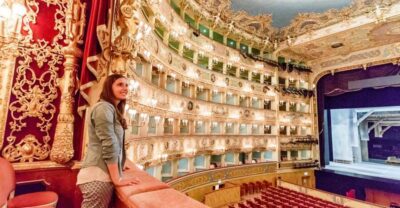
La Fenice Opera House Entry Ticket with Audio Guide
Read our review →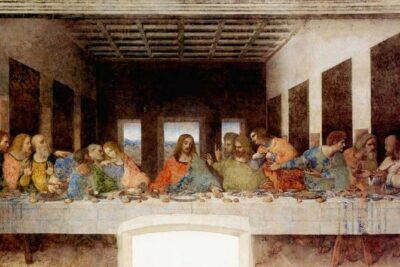
Milan’s Must See: Half-Day Tour of Last Supper, Duomo & La Scala
Read our review →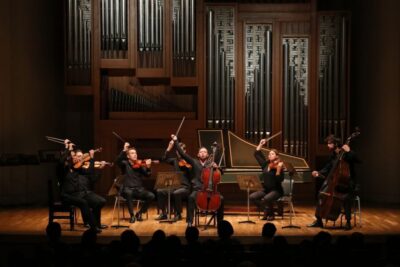
Interpreti Veneziani Concert at Church of San Vidal
Read our review →
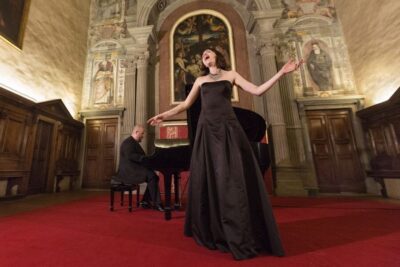
Santa Monaca Church Italian Opera Concert Ticket
Read our review →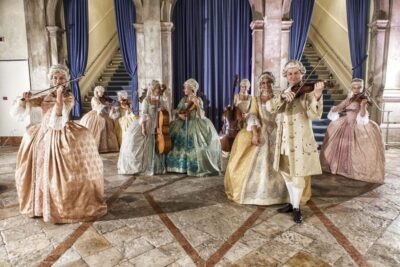
Vivaldi’s Four Seasons Live Classical Music Concert
Read our review →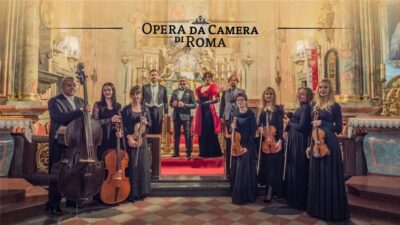
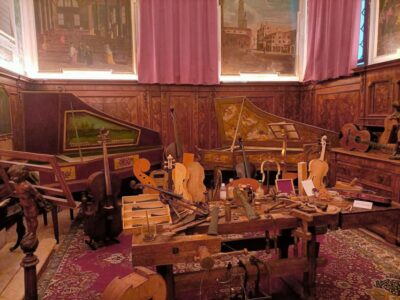
Vivaldi’s Four Seasons Concert & Music Museum Visit
Read our review →Browse the lists this tour appears in