
Reviewed · ALBEROBELLO, MATERA & THE TRULLI TOWNS
Guided Tour, Historic Center Sassi Rock Churches and Cave House
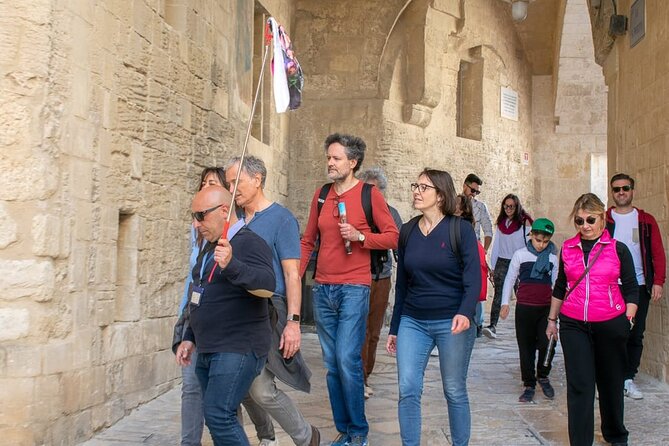
Matera’s Sassi make the most sense when you see both sides of them: the sweeping view from above and the cramped cave rooms where families lived until the 1950s. This two-hour walking tour connects those pieces, taking you from Piazza Vittorio Veneto to a rock church, a traditional cave house, and the winding lanes of Sasso Caveoso.
I like the local storytelling, which turns a maze of stone alleys into a readable city. I also like that the entrance fees for Santa Maria de Idris and the Casa Grotta are included. The main caution is simple: expect steps, uneven ground, and heat in sunny weather. This is not an easy stroll for anyone with limited mobility.
Key points at a glance
- See Sasso Barisano from above before walking deeper into Matera’s old cave districts.
- Enter Santa Maria de Idris, one of the city’s best-known rock churches.
- Visit a furnished Casa Grotta showing how families lived in the caves until the 1950s.
- Learn how the Sassi worked as neighborhoods, with shared courtyards, underground oil mills, and communal spaces.
- Walk with an English-speaking guide, with past tours led by Patrizia, Anna Maria, Annalise, Lorena, and Lorenza.
- Plan for roughly two hours, a group of up to 20, and cobbled paths with many steps.
Why a guided walk helps in Matera
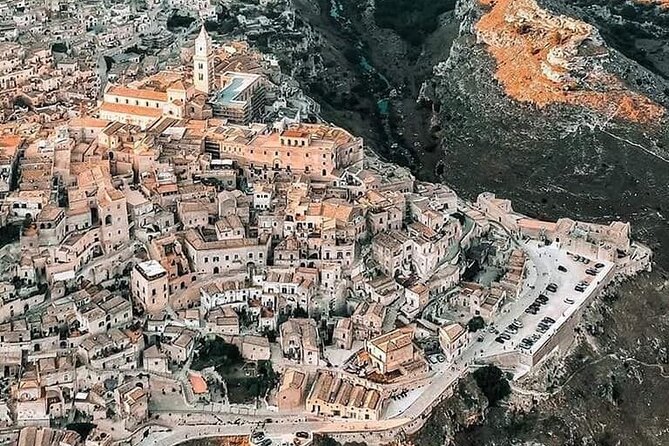
Matera is easy to admire and surprisingly hard to read. From a viewpoint, the Sassi can look like a grand pile of stone houses, churches, stairways, and dark openings. Without context, you may not know which spaces were homes, places of worship, workshops, water stores, or passageways.
A guide gives the city a human scale. You learn how families once shared courtyards and common areas, how homes were cut into the rock, and how work and worship fit into the same compact neighborhoods. That background matters because the Sassi are not simply pretty old streets. They were working districts shaped by poverty, family life, farming, faith, and practical use of the rock.
The tour has earned a 4.8 rating from 461 ratings, with 97 percent of customers recommending it. The strongest praise centers on clear explanations, local knowledge, patient pacing, and the way guides keep a group together through the maze. Guides named in past departures include Patrizia, Patricia, Anna Maria, Annalise, Lorena, and Lorenza.
The experience is offered in English, and the maximum group size is 20. Some departures have been much smaller, which can make it easier to ask questions and hear the guide in narrow lanes.
Other old stone towns within reach of Matera:
- Matera: Sassi Tour with Cave House and Rupestrian Church
★ 4.7 · 6,618 reviews - Discover Matera, the ancient city – English tour
★ 5.0 · 1,771 reviews - Guided Tour of Matera Sassi
★ 4.5 · 1,312 reviews
Starting at Piazza Vittorio Veneto
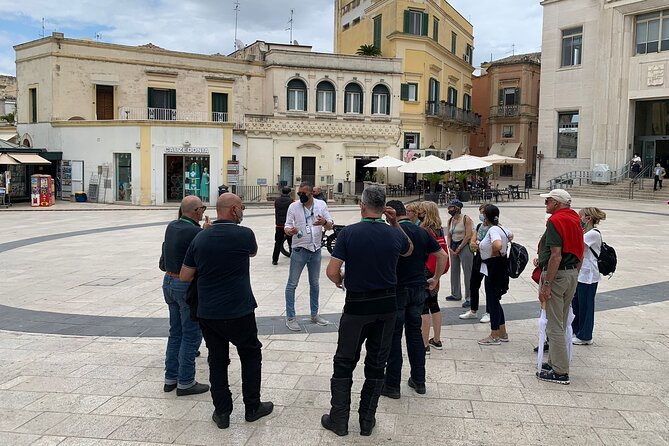
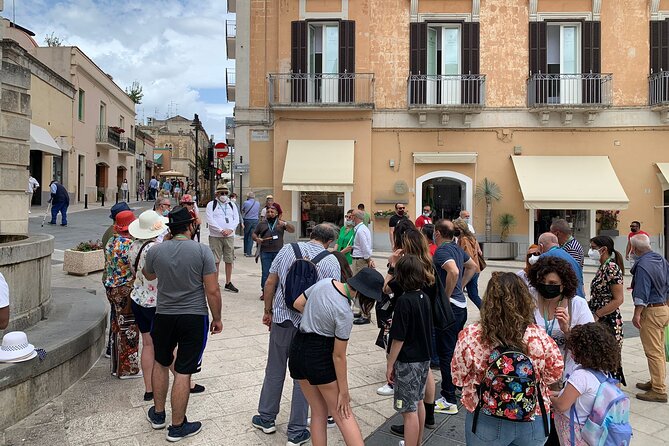
The practical starting point is the central office at Via Don Giovanni Minzoni 13. From there, the walk begins around Piazza Vittorio Veneto, one of Matera’s main public squares and a useful place to get your bearings.
The square is a good opening because it connects everyday Matera with the older districts ahead. You begin among historic buildings and city life, then move toward the stone lanes and cave dwellings that give Matera its identity. Your guide points out details in the facades, portals, alleys, and small squares that are easy to pass without noticing.
This opening section is not just filler before the main sights. It helps you see how the modern city and the old Sassi sit beside each other. You also get an introduction to the way Matera changed over time, from a densely occupied cave settlement to a restored historic center visited by people from around the world.
The ending point is Piazzetta Pascoli. That makes the tour useful as a one-way introduction to the Sassi, though you should not expect to finish back at the starting office. If you are driving, give yourself extra time. Parking in Matera can be limited, and reaching the correct meeting point may take patience. The company’s central office is near public transportation, but the exact meeting instructions deserve careful attention.
Seeing Sasso Barisano from the viewpoint
The first major stop is a viewpoint over Sasso Barisano. This elevated position gives you a broad look at the district before your feet are down among its narrow passages.
From above, you can make out the relationship between cave houses, rock churches, stairways, and lanes. The view is especially useful if this is your first visit because it gives you a mental map. Later, as you walk through the Sassi, you can match the individual corners and stone buildings to the larger pattern you saw from the lookout.
Your guide explains the district’s layout, architecture, and former daily life. This is also one of the easiest points for photographs, since the wider view is less cramped than the lanes below. The stop lasts about 10 minutes and has no separate admission charge.
There is a trade-off. A viewpoint can show you how the district fits together, but it cannot show you what the interior spaces feel like. That is why the next visits matter. The tour moves from the broad view to the rock-cut rooms themselves.
Inside Santa Maria de Idris
The visit to the Church of Santa Maria de Idris is one of the tour’s two included admissions. The church is set within the rock at San Giovanni in Monterrone, and its interior gives you a direct look at Matera’s religious architecture.
Rock churches can be easy to misunderstand from the outside. They may look like plain openings or rough stone structures, yet their interiors carry signs of worship, decoration, and adaptation to the cave. Here, the guide helps connect the physical space to the religious life of the Sassi.
You have about 20 minutes inside. That is enough time for an explanation and a close look, though it is not an extended art-history visit. The value is the access and context. You are not only looking at a church carved into stone; you are seeing how people used the same rock that formed their homes and work spaces.
The interior may be cooler than the streets, but the full walk still takes place outdoors and includes steps. Wear shoes with a good grip. Smooth soles are a poor match for polished stone and uneven cobbles.
Other history to see in Matera:
- Matera’s Sassi Walking Tour – History & Culture
★ 5.0 · 476 reviews - Venice: St. Mark Basilica Ticket, Audioguide+History Gallery
★ 3.9 · 4,780 reviews - Venice’s Best: Basilica, Doge’s Palace, Gondola & History Gallery
★ 4.5 · 2,478 reviews - Historic Milan Tour with Skip-the-Line Last Supper Ticket
★ 4.5 · 1,976 reviews
Walking through Sasso Caveoso
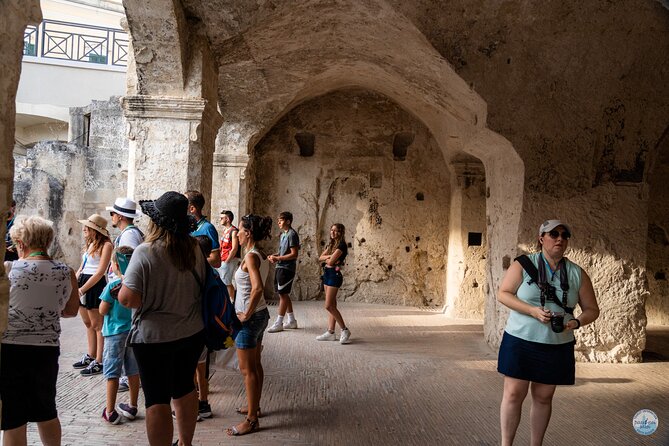
Sasso Caveoso is the most iconic part of the route, and this is where the tour shifts from viewing Matera to reading its neighborhoods at street level. You pass through lanes, courtyards, and older quarters where families once lived close together.
The guide explains the shared nature of these districts. A home was not always an isolated private unit in the modern sense. Courtyards and common spaces shaped social life, and daily tasks often took place close to neighbors. That detail helps you look beyond the dramatic walls and consider the people who made the Sassi function.
You also hear about underground oil mills, which show the practical side of life in the rock. These spaces were used for olive oil production and reflect the resourcefulness of local residents. The route also includes the barbarian cemetery, an archaeological site tied to earlier layers of Matera’s past.
The walk is valuable because it balances attractive views with less polished subjects. You see devotion, work, domestic life, and burial customs in the same area. Matera becomes more than a photogenic collection of caves.
The pace is generally manageable, with time for pictures and questions. Still, the route is not flat. You may go up and down steps, cross uneven surfaces, and walk through narrow passages. Guides have adjusted the pace for hot weather and for older people in the group, but you should still judge the walk by your own ability.
Entering the Antica Matera Casa Grotta
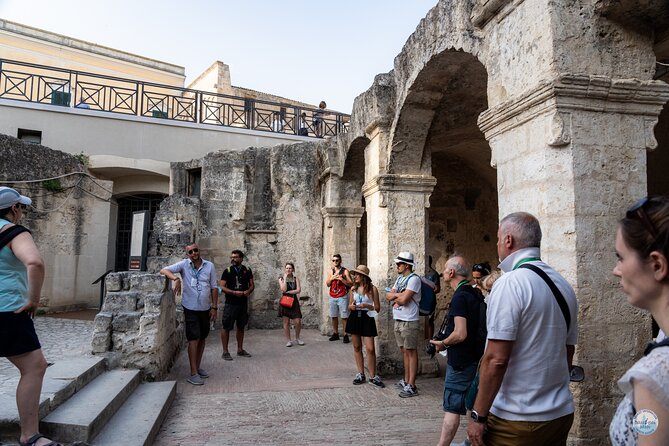
The Casa Grotta is the tour’s most direct look at domestic life. This furnished cave house shows how people lived in Matera until the 1950s, using original objects and traditional tools to recreate the tight arrangement of rooms and work areas.
Inside, you can see how a family’s home had to serve several purposes. Rooms, kitchens, and inner courtyards were arranged within a cave environment, with little spare space. The setting makes the guide’s explanations about family habits, survival, and household routines much easier to understand.
The visit lasts about 15 minutes and admission is included. It is a short stop, but it carries a lot of weight. A distant view of the Sassi can feel romantic. The Casa Grotta adds the practical questions: where did people sleep, work, cook, store things, and care for one another?
The house is also a good reason to take the tour rather than simply wander. You might find the public lanes impressive on your own, but the furnished interior gives you details that are not obvious from the street. It turns a cave opening into a former home.
What the two-hour timing really means
The advertised duration is about two hours, though some departures have lasted closer to two and a half hours. Others may finish a little early. The difference can depend on group size, questions, heat, walking pace, and time spent at the church or cave house.
This is a useful length for a first visit. You get a broad look at both Sassi districts, two interior admissions, a viewpoint, and plenty of explanation without committing to a full-day program. If you have only one day in Matera, the tour gives you a strong foundation for independent exploring afterward.
The pace is not a race. Guides have been praised for making room for photographs, questions, shade, and slower walkers. That said, you should not treat the two hours as a promise of gentle terrain. The distance is manageable for many people, but the steps and uneven surfaces are the real test.
The group limit of 20 keeps the tour from becoming enormous, although a full group may feel tight inside a cave house or church. Smaller departures are more comfortable, especially when the guide is explaining something in a narrow lane.
Price, value, and what is included
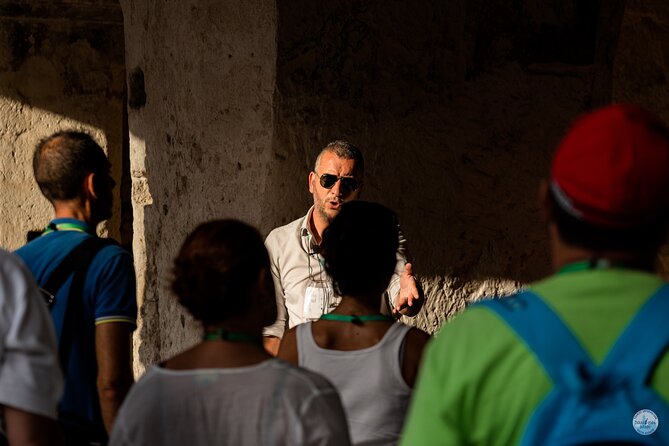
At $26.60 per person, this is a reasonable price for a guided introduction to Matera. The value comes from three things: a local English-speaking guide, admission to Santa Maria de Idris, and admission to the Casa Grotta.
You are also paying to save time and confusion. Matera’s old lanes can be difficult to follow with a phone map, and a guide takes you directly between the important areas. A strong guide also points out details you might walk past, such as the relationship between the cave homes, communal courtyards, churches, and work spaces.
The fee does not include bottled water or snacks. That matters most in warm weather, since the route includes exposed streets and physical exertion. Carry your own water, and bring a small snack if you need one between meals.
The tour is free to cancel up to 24 hours before the start time for a full refund. Same-day changes and cancellations are not accepted for a refund. Poor weather or failure to meet the minimum number of participants can lead to a changed date or full refund.
Practical advice for a smoother walk
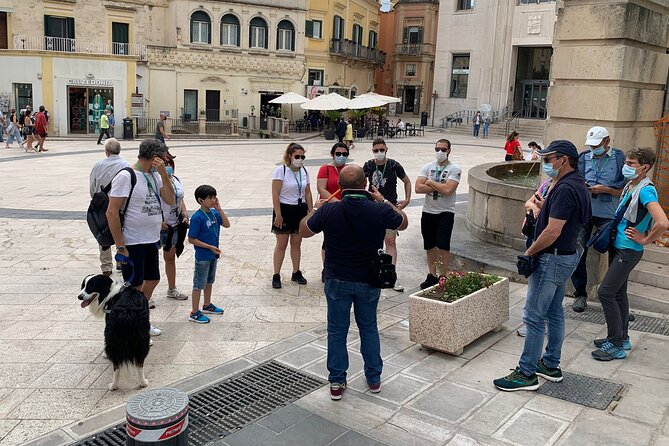
Meet at Via Don Giovanni Minzoni 13 and check the location before leaving your hotel. One departure had trouble because the meeting point was not easy to find, although the local team helped locate the delayed participants. Do not rely on finding the office at the last minute.
If you are arriving by car, research parking before the day of the tour. Matera is busy, and limited parking can turn a simple arrival into a stressful one. Public transportation is nearby, but the tour itself is on foot.
Wear sturdy, non-slippery shoes. Sandals with a smooth sole are not ideal for the steps and rough ground. In hot weather, choose a time later in the day if possible, carry water, and use sun protection. Guides may stop in shaded places, but the route is still exposed in sections.
Service animals are allowed. Most people can take part, but the combination of steps, cobbles, and uneven surfaces makes this a poor choice for anyone with limited mobility.
Who should book this Matera tour
You should book it if you want the basic story of the Sassi explained clearly, especially on a first visit. It suits people who prefer walking to bus sightseeing and want to enter both a rock church and a cave house.
It is also a good fit if you are uneasy about navigating Matera alone. The guide removes much of the guesswork and gives you a route through both Sasso Barisano and Sasso Caveoso. Families, couples, and solo visitors can all benefit from the structure, provided they can manage the terrain.
You may want a different experience if you need a flat, slow, or fully accessible route. You might also prefer independent exploring if you dislike group schedules or want to spend a long time photographing each viewpoint. The tour gives you a well-paced overview, not unlimited time at every stop.
Should you book it?
I would book this tour for a first visit to Matera, particularly if you have only a day or two. The included church and cave house, the Sasso viewpoints, and the local explanations make the $26.60 fee good value.
Book with realistic expectations: this is a walking tour over stone streets, not a relaxed café circuit. Bring water, wear shoes with grip, confirm the meeting point, and allow extra time if you are driving. If you can handle the steps, this is an efficient and thoughtful way to understand what makes Matera’s Sassi so unusual.
FAQ
How long does the Matera Sassi tour last?
The tour lasts approximately two hours. Some departures may run closer to two and a half hours, while others may finish slightly early.
Where does the tour begin?
The meeting point is the Central Office at Via Don Giovanni Minzoni 13, 75100 Matera MT, Italy.
Where does the tour end?
The tour ends at Piazzetta Pascoli, 75100 Matera MT, Italy.
Is the tour offered in English?
Yes. The experience is offered in English with an English-speaking guide.
Which entrances are included?
Admission to the Church of Santa Maria de Idris at San Giovanni in Monterrone and the traditional Casa Grotta is included.
What is not included in the price?
Bottled water and snacks are not included. You should bring your own if needed.
How large can the group be?
The maximum group size is 20 participants. Some departures may have fewer people.
Is the walking route suitable for people with limited mobility?
The tour is not recommended for people with limited mobility because it includes many steps, cobbled paths, and uneven ground. Most other participants can take part.
Can I cancel for a full refund?
Yes. You can cancel at least 24 hours before the start time for a full refund. Cancellations or changes made less than 24 hours before the start time are not refundable. If poor weather or an insufficient number of participants cancels the tour, you will be offered another date or a full refund.
Just added in Matera
- Matera’s Sassi Walking Tour – History & Culture★ 5.0 · 476 reviews
- The Sassi of Matera★ 5.0 · 252 reviews
- Discover Matera: Overnight Stay, Meal, and Sassi Tour★ 5.0 · 335 reviews
- Full Private 3h Excursion to the Sassi di Matera★ 5.0 · 451 reviews
- Sassi of Matera: Eco-Bus Open Top Tour★ 4.6 · 592 reviews
- Matera: Guided Walking Tour★ 4.8 · 333 reviews
- Matera: Caves and Rock Churches Walking Tour in English★ 5.0 · 194 reviews
- Matera: Open Top Bus Tour with Entrance to Casa Grotta★ 4.2 · 278 reviews
Alberobello, Matera & the Trulli Towns, compared.
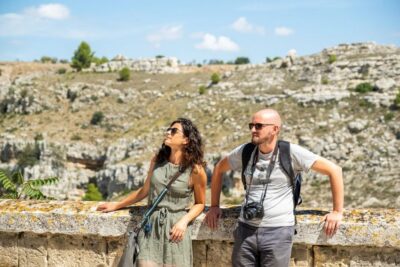
Sassi Tour with Cave House and Rupestrian Church
Read our review →
Polignano a Mare: Speedboat Cruise to Caves with Aperitif
Read our review →
Polignano a Mare: Cave Boat Tour with Aperitif
Read our review →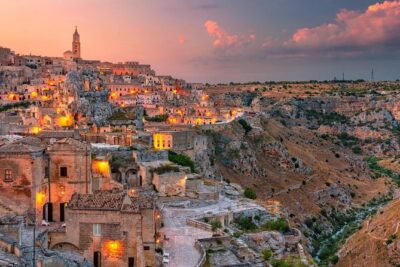
Discover Matera, the ancient city – English tour
Read our review →
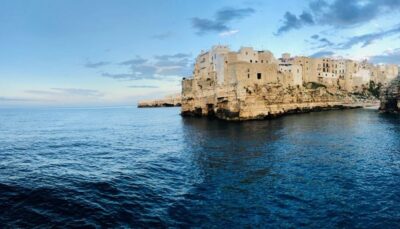
Polignano a Mare: Boat Trip, Swim & Cave with Aperitif
Read our review →
Polignano a Mare boat tour emotions, caves, diving and appetizers
Read our review →
Browse the lists this tour appears in