
Reviewed · FARMS
Amalfi: Vertical Lemon Farm Tour, Tastings, and Rural Museum
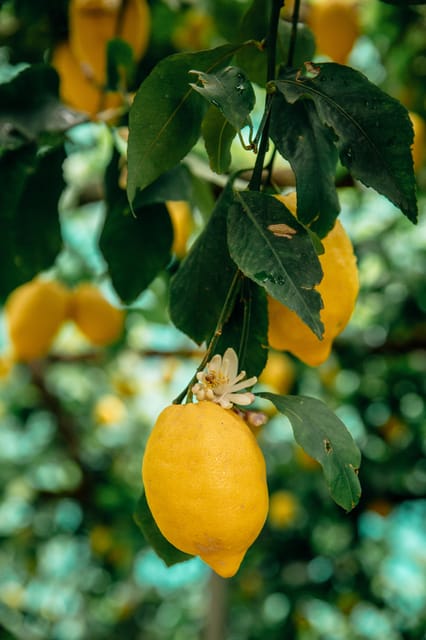
Amalfi’s lemons do not grow in a flat orchard. They cling to steep stone terraces above town, where farming still means hauling, pruning, and harvesting by hand. This tour takes you into that working world, with a family that has tended its Sfusato Amalfitano lemons for six generations.
I like the family connection and the honest look at modern farming, including its hard parts. I also like the tasting: lemonade, lemon cake, fresh lemon, and limoncello turn the lesson into lunch-sized pleasure. The catch is the climb. Steep stairs and uneven paths make this a poor fit for anyone with mobility, heart, or breathing problems.
Key things to know before you go
- Six generations of farming: Learn how one Amalfi family has kept its terraces productive through changing markets and difficult working conditions.
- A vertical orchard: Expect hillside paths, stone terraces, fragrant trees, and photo stops rather than a level garden stroll.
- A generous lemon tasting: Try lemonade, lemon cake, lemons, and limoncello, with other farm products available to buy.
- Two extra stops: The tour includes a limoncello production area and a museum of rural arts, crafts, tools, and documents.
- A useful arrival tip: Meet at the Amalfi Lemon Experience shop on Via delle Cartiere 59, and use Google Maps walking directions, not driving directions.
- A short but active outing: The tour lasts about 90 minutes, yet steep stairs make comfortable walking shoes essential.
Why Amalfi’s lemons are worth a closer look
Many visitors encounter Amalfi lemons as a slice on a plate or a bottle of limoncello after dinner. This tour explains the work behind that familiar flavor. The prized Sfusato Amalfitano lemon is grown on the coast and has European Protected Geographical Indication recognition, linking the fruit to its place of origin.
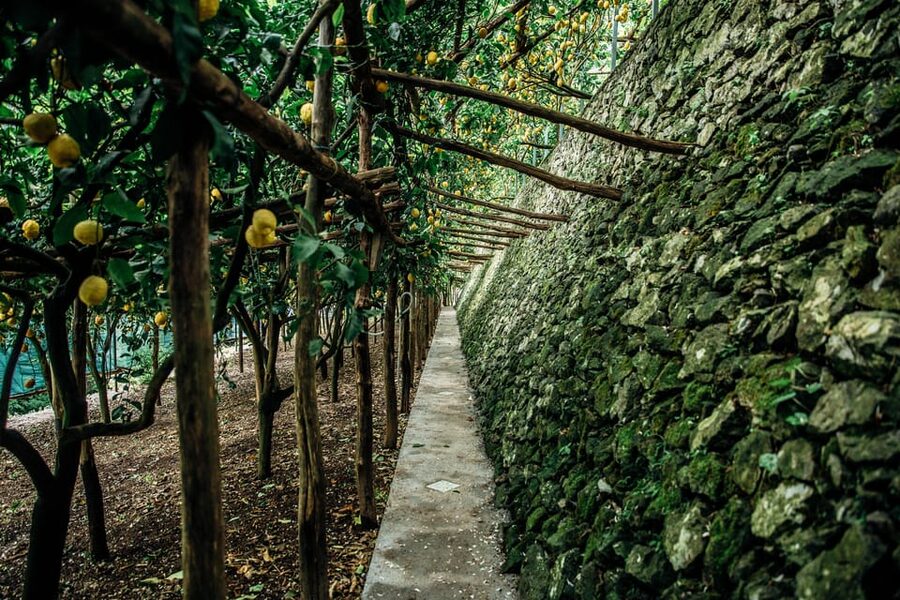
The setting does much of the teaching. Terraces carved into the hills make farming possible on slopes that would otherwise be too steep. Stone walls, narrow paths, and rows of trees show how much labor is built into the coast’s postcard views.
I like that the tour does not treat the farm as a decorative backdrop. You learn about pruning, caring for trees, harvesting, and the pressures facing lemon growers today. The farming story includes affection for the land, but it also includes the less romantic side of keeping a small agricultural business going.
The family has farmed here for six generations. On one visit, a 90-year-old founder was present, a memorable link between the farm’s past and its present. You may or may not meet him, but the family story is part of the experience rather than a footnote.
Other farms to visit near Amalfi Coast:
- Florence Pizza or Pasta Class with Gelato Making at a Tuscan Farm
★ 5.0 · 6,801 reviews - Sorrento Farm and Food Experience including Olive Oil, Limoncello, Wine tasting
★ 5.0 · 2,524 reviews - Sorrento: Pizza Lesson, Wine, and Limoncello at a Local Farm
★ 5.0 · 1,513 reviews
Finding the farm from Amalfi’s center
The meeting point is the Amalfi Lemon Experience shop at Via delle Cartiere 59. This matters because Amalfi’s streets and lanes can confuse map apps. If you use Google Maps, select walking directions. The driving route can take you to a different place.
You should plan to arrive on foot. There is no parking at the venue, and driving into Amalfi during the busy season is a headache at best. The town has very limited parking, and the activity does not include transportation.
If you arrive by ferry, the walk from the port has been described as about 18 minutes. Allow extra time anyway, especially if you are carrying bags or stopping to find your way. Large bags and luggage are not allowed on the property, so this is best treated as a light, out-and-back walking stop.
The route begins at the shop, then moves toward the terraces. The return is to the same location on Via delle Cartiere 59. This simple arrangement is useful if you are fitting the farm into a day in Amalfi.
Walking the vertical lemon grove

The central part of the experience is a guided walk through the orchard. Do not picture a broad, level farm path. This is a vertical lemon grove, shaped by the steep hills above Amalfi and reached by stairs and inclines.
You walk among lemon trees under their shade, with the scent of the leaves and fruit close by. The guide explains how local workers care for the trees and how the terraces have been used over many years. The views and photo opportunities are a real part of the appeal, but the walking is the price you pay for those views.
The route includes particularly steep stairs. Wear hiking shoes or sturdy walking shoes with good grip. High heels, slippery soles, and unsuitable footwear can prevent you from joining the tour. Sunglasses, weather-appropriate clothing, and sportswear are sensible choices.
The walk is not presented as a demanding mountain hike, and one visitor described the incline as steep but manageable. Still, fitness varies. If stairs are difficult for you, a 90-minute tour can feel much longer than it sounds.
One point to keep in mind is that the standard route focuses on the lower part of the farm. A visitor who hoped to go farther uphill found the experience slightly limited in that respect. That is useful context: book this for a close look at lemon farming, not for a long trek across every terrace.
Learning from guides who know the family story
The guide gives the walk its shape. Guides have included Elvira and Georgia, both praised for clear explanations and a friendly manner. The guide’s job is not only to point out trees. You hear how lemons arrived in Amalfi, why this local variety matters, and how farmers work the terraces.
The best part of this format is the chance to ask questions while standing in the orchard. You can connect the physical work to the place around you: the steep steps, the stone walls, the need to reach individual trees, and the care required to keep a small farm productive.
The tour also addresses current difficulties in lemon farming. That makes it more useful than a simple tasting stop. You get a sense of why a local product can cost more than a mass-produced lemon, and why maintaining these terraces requires patience and family commitment.
The tour is in English. Since it lasts only 1.5 hours, the pace is fairly focused. You get an introduction, a walk, production stops, tastings, and the museum without much wasted time. If you want a long agricultural workshop or private conversation with the owners, this may feel brief.
Other museums and galleries in Amalfi Coast:
- Vatican: Museums & Sistine Chapel Entrance Ticket
★ 4.5 · 144,003 reviews - Vatican Museums & Sistine Chapel Tour with Optional Basilica
★ 4.3 · 67,413 reviews - Vatican Museums, Sistine Chapel & St Peter’s Basilica Guided Tour
★ 4.5 · 39,149 reviews - Florence: Skip-The-Line Uffizi Gallery Timed Entry Ticket
★ 4.5 · 27,832 reviews
Tasting lemons, cake, lemonade, and limoncello
The tasting is the tour’s most immediately enjoyable section. You try farm products including fresh lemon, lemonade, lemon cake, and limoncello. Some visits have also included lemon sorbet, lemon jam, and honey, but the exact tasting selection can vary.
The lemon cake and limoncello receive the most enthusiastic attention. The cake gives the fruit a soft, sweet side, while the limoncello shows how the fragrant peel becomes a classic local drink. Lemonade offers a refreshing middle ground, especially after walking uphill.
The tasting is not just a snack. It helps you notice the difference between using lemon as decoration and building a food around its peel, juice, and aroma. You also get a chance to try products made close to the source rather than seeing only finished bottles in a shop.
I would leave room in your bag, though large bags are not allowed during the tour. The farm sells products such as limoncello, lemon honey, jam, and other items, and fresh lemons can be shipped. Buying something gives you a practical souvenir and supports the working farm directly.
The price is $41 per person. For 90 minutes, that is not the cheapest way to see Amalfi, but the fee includes the farm walk, guide, tastings, museum, and limoncello production visit. If you would otherwise pay separately for a tasting and a cultural attraction, the price feels reasonable. It is less compelling if you mainly want a quick drink and a photo.
Inside the limoncello production area
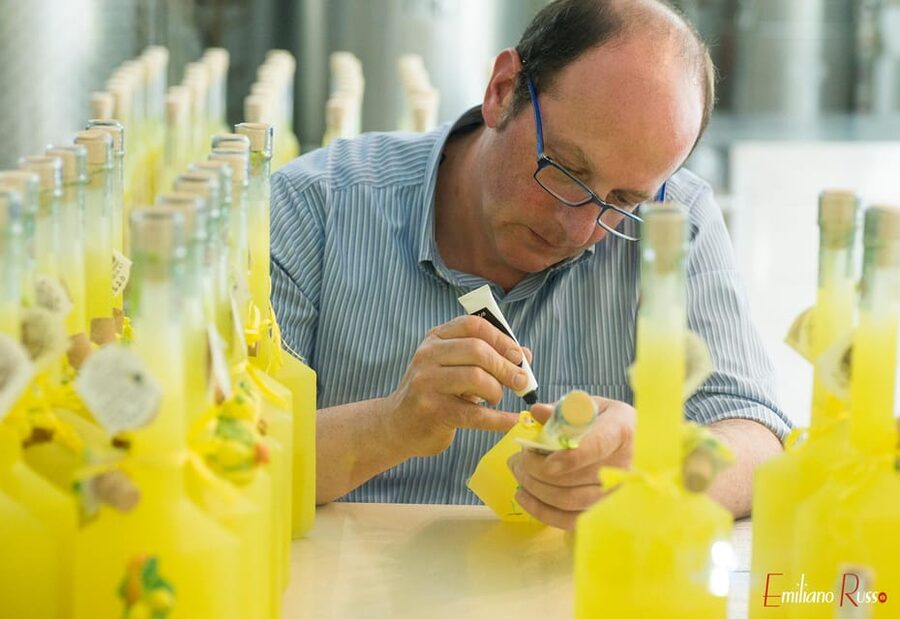
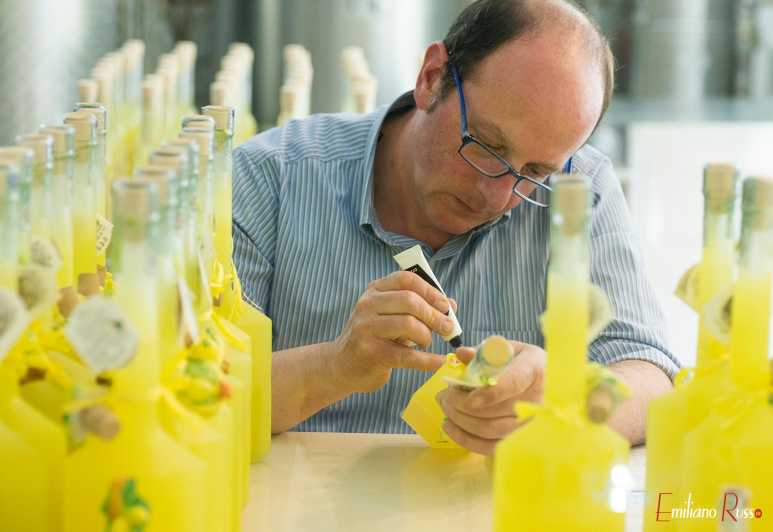
The on-site laboratory explains how the farm’s lemons become limoncello and other products. You learn about the preparation process and see the connection between the orchard and the finished bottle.
This stop is especially useful if you plan to buy limoncello in Amalfi. Instead of treating the drink as a generic souvenir, you can ask how the farm uses its own fruit and what other lemon products it produces. Several varieties are available for purchase, though the provided information does not specify the full range.
The production visit also shows why the orchard matters economically. The farm is not only growing fruit for market stalls. It is turning that fruit into drinks, sweets, preserves, and gifts, creating more ways to keep the agricultural tradition going.
You should not expect a large industrial factory tour. The appeal is the small, local connection between trees, family labor, and finished products. That scale is part of the charm, but it also means the visit is compact.
The rural museum and its old tools
The Museum of Rural Culture, Arts and Crafts adds a historical layer to the walk. It displays tools, equipment, and documents connected with lemon production and rural work in Amalfi.
This is a good counterpoint to the living orchard. Outside, you see workers caring for trees today. Inside, the objects show how earlier generations handled similar tasks. The museum helps explain why the farm is more than a food stop. It is also a record of the work that shaped the hills around Amalfi.
I would pay attention to the equipment rather than rushing through it. The museum is modest in scale, but its value comes from context. After climbing terraces and hearing about harvesting, the tools make the physical demands easier to understand.
The museum may be the quietest part of the experience. If your main goal is scenery and food, it will not be the highlight. If you enjoy local history, crafts, and ordinary working life, it gives the tour more substance.
Who should book this Amalfi farm visit?
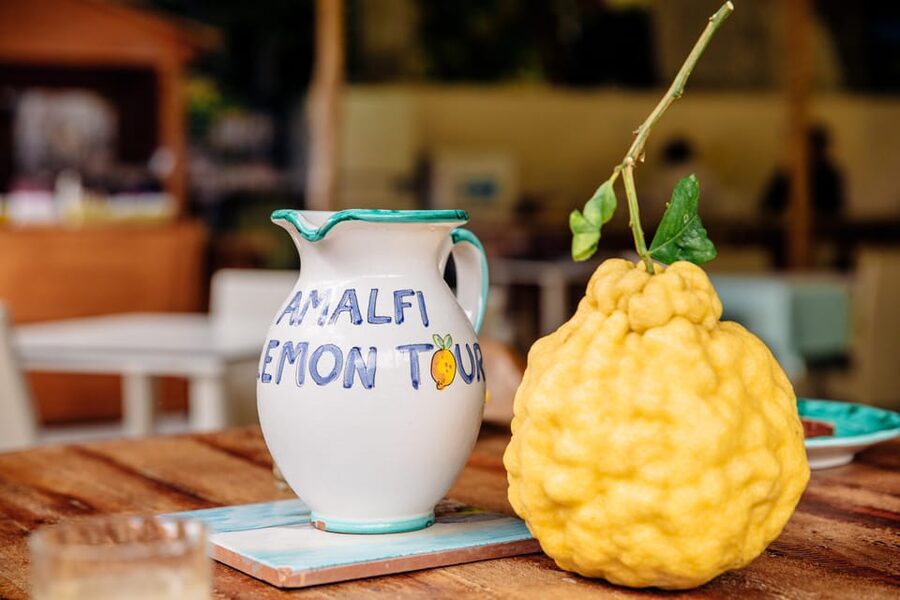
I would recommend this tour to anyone who wants a break from Amalfi’s main streets and a closer connection to local food. It suits couples, solo visitors, and families with older children who can manage steep steps. Children under two are not accepted.
It is also a strong choice for visitors who have already seen the coast from the water and want to understand the land itself. The ferry views show the dramatic cliffs. This walk explains how people have made use of those cliffs.
The tour is not suitable for wheelchair users, people who use mobility scooters or electric wheelchairs, or those with heart or respiratory problems. It is also not recommended for people over 80, according to the activity restrictions. Pets cannot come because dogs roam freely on the property.
Do not bring luggage or large bags. Do not touch the plants, feed animals, or bring prohibited items. The farm is a working property, not a free-form garden, so follow the guide’s instructions around the trees.
Timing, weather, and practical comfort
The tour runs for about 90 minutes, with starting times depending on availability. That makes it easy to place before lunch, after arriving in Amalfi, or between other coastal plans.
Weather will affect your comfort. Much of the walk is outdoors, though the trees provide shade. Wear clothing suited to the day, bring sunglasses, and choose shoes for stone paths and stairs. A hot afternoon can make the climb harder, while wet conditions may make surfaces slippery.
The activity has free cancellation up to 24 hours before departure, and you can reserve while paying later. Those terms are useful if your Amalfi plans depend on ferry schedules or changing weather.
The tour is offered in English. If you want a slower pace for photographs or questions, it is sensible to mention that when you arrive, though the supplied details do not promise a private or customized tour.
Should you book the Amalfi Lemon Experience?
Book it if you want local food with a real sense of place, and if you are comfortable walking steep terraces. The family story, the working orchard, the museum, and the tasting make this more worthwhile than simply buying a bottle of limoncello in town.
Skip it if you need a flat route, dislike stairs, or want a long hike high above Amalfi. The tour is short, and much of the farm visit takes place in the lower terraces. For most able walkers, though, $41 buys a pleasant mix of scenery, farming knowledge, history, and food.
My practical call: wear proper shoes, arrive on foot, use walking directions, and save space for a bottle of limoncello or a jar of lemon honey. This is a small-scale Amalfi experience that gives the famous lemon a human story.
FAQ
Where does the Amalfi lemon farm tour meet?
Meet the staff at the Amalfi Lemon Experience shop at Via delle Cartiere 59 in Amalfi. Use Google Maps walking directions because driving directions may lead to a different location.
How long does the tour last?
The guided visit lasts about 1.5 hours and returns to Via delle Cartiere 59.
What food and drinks are included?
The tasting includes lemons, lemon cake, lemonade, and limoncello. Other farm products, such as lemon sorbet, honey, or jam, may also be available.
Is the tour suitable for people with limited mobility?
No. The tour includes particularly steep stairs and is not suitable for wheelchair users, mobility scooter users, people with heart or respiratory problems, or people over 80. Unsuitable shoes can also prevent participation.
Can I drive or park at the farm?
Transportation and parking are not included, and the venue does not have parking. The operator strongly recommends avoiding a car in Amalfi, especially during the high season.
Can I buy lemon products after the tour?
Yes. The farm sells products such as limoncello, lemon honey, and other lemon goods. Fresh lemons can also be shipped.
Just added in Amalfi Coast
- Discover the Magic of the Amalfi and Sorrento Coast by Vespa★ 5.0 · 190 reviews
- Amalfi Coast Kayak Tour: Explore Caves, Arches & Hidden Beaches★ 5.0 · 185 reviews
- Amalfi Coast & Positano: Boat Tour with Snorkeling & Drinks★ 5.0 · 671 reviews
- Amalfi Coast Private Boat Tour★ 5.0 · 273 reviews
- Amalfi Coast Boat Rental: Explore, Swim, and Relax at Your Pace★ 5.0 · 355 reviews
- From Salerno: Day Trip to Amalfi Coast by Boat with Drinks★ 4.9 · 374 reviews
- Salerno: Amalfi Coast Cruise with Lunch, Aperitif & Swimming★ 4.5 · 879 reviews
- Positano: Shared Sunset Cruise★ 4.9 · 185 reviews
Farms, compared.
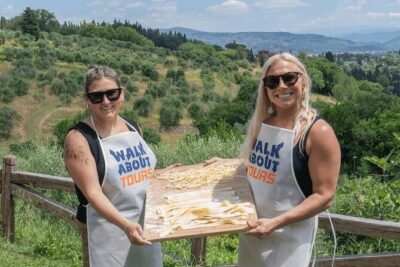
Florence Pizza or Pasta Class with Gelato Making at a Tuscan Farm
Read our review →
Sorrento Farm and Food Experience including Olive Oil, Limoncello, Wine tasting
Read our review →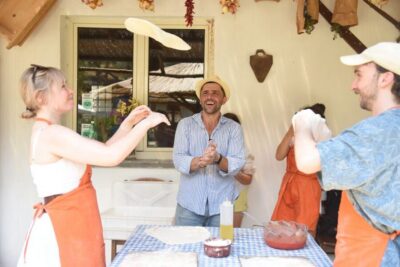
Pizza Lesson, Wine, and Limoncello at a Local Farm
Read our review →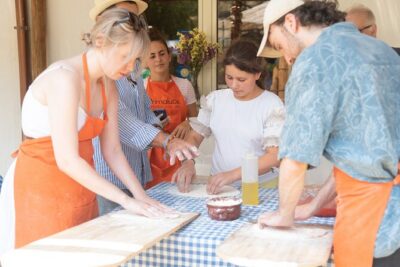
Pizza School with Wine and Limoncello Tasting in a Local Farm
Read our review →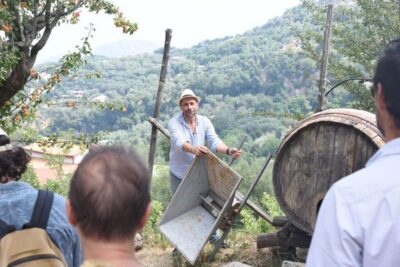

Alghero: Wine and Olive Oil Tasting at a Local Farm
Read our review →Browse the lists this tour appears in