
Reviewed · WINE TOURS
Verona: Montresor Winery Visit with Wine Tasting and Snacks
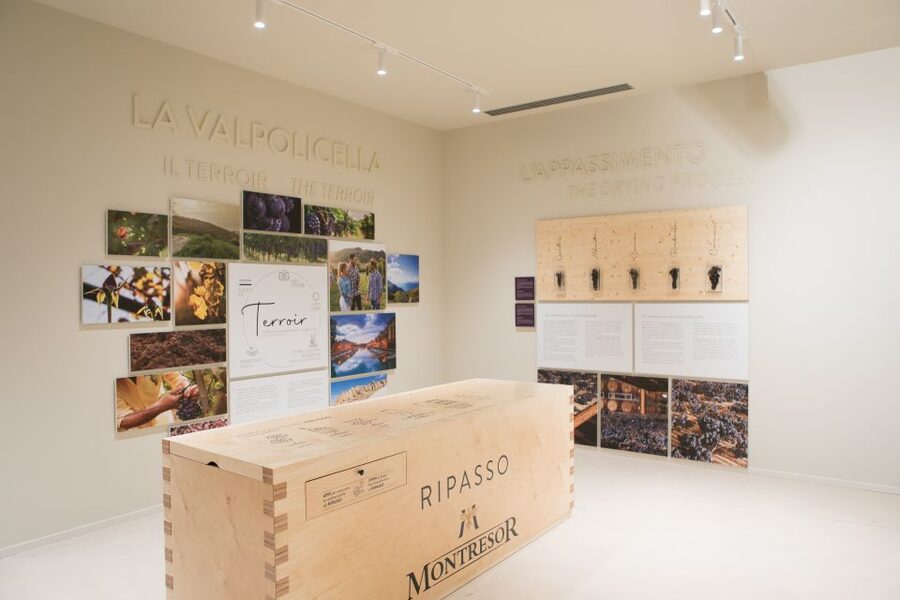
Montresor Winery makes wine tasting feel like more than a row of glasses on a counter. You move from a museum about the family and Verona to an aroma room, then into the barrel room, where appassimento helps shape Amarone. I especially like the sensory quiz, which gives your nose something useful to do, and the chance to taste Amarone Riserva as part of a short visit.
The winery is easy to reach from central Verona, and the $34 price is fair for 90 minutes with a guide, several wines, snacks, and access to a polished museum. One thing to check before booking is the food pairing: the current details list bread, olive oil, soppressa salami, and cheese, while some past visits provided only breadsticks.
Key points to know
- Choose your wine path: Select five Valpolicella reds, including wines leading up to Amarone Riserva, or four fresh whites from Lake Garda.
- Expect a museum, not just a tasting room: Original tools, family displays, and Verona history explain how the winery changed over time.
- Test your nose: The aroma room lets you identify scents linked to wine before you taste.
- See appassimento in context: Grapes are shown at different stages, including the drying process used for Amarone.
- Plan your ride: The winery is about 15 minutes from central Verona by car or taxi, with buses 21 and 93 available from Castelvecchio.
- Allow time for the shop: Bottle discounts are included, and the winery can arrange shipping for purchases.
Why Montresor Works Well for a Verona Wine Break
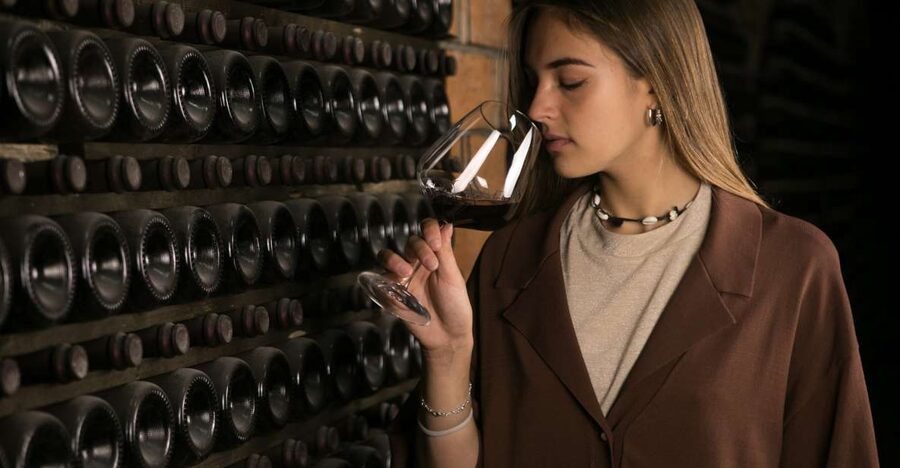
Many wine tastings ask you to accept a lot of information while standing around a table. Montresor gives you a clear route through the subject. You begin with the winery’s story, learn how grapes and place affect the wine, use your senses in an interactive room, and finish with a guided tasting.
That order matters. By the time you taste Valpolicella Classico, Ripasso, or Amarone, you have already seen the grapes, the tools, and the storage areas. You are not simply told that Amarone is different. You get a visual sense of the drying process and the time involved.
The visit also works well when Verona’s weather turns unpleasant. Much of the experience takes place indoors, with controlled conditions in the winery. A hot afternoon or a rainy morning need not spoil your plans.
At $34 per person, this is not a bargain-bin tasting, but it offers more than four or five pours. You are paying for a guided museum visit, the cellar areas, the sensory room, snacks, and a specialist host. For anyone who wants context rather than just a drink, the price makes sense.
More Wine Tours in Verona
- From Verona: Valpolicella and Amarone Wine Tasting Tour
★ 4.9 · 560 reviews - Verona: Wine Tasting with Snacks and Panoramic Views
★ 4.8 · 494 reviews - Discover Valpolicella Vineyards and Wine Tasting Experience
★ 4.5 · 341 reviews
Getting There from Verona’s Historic Center
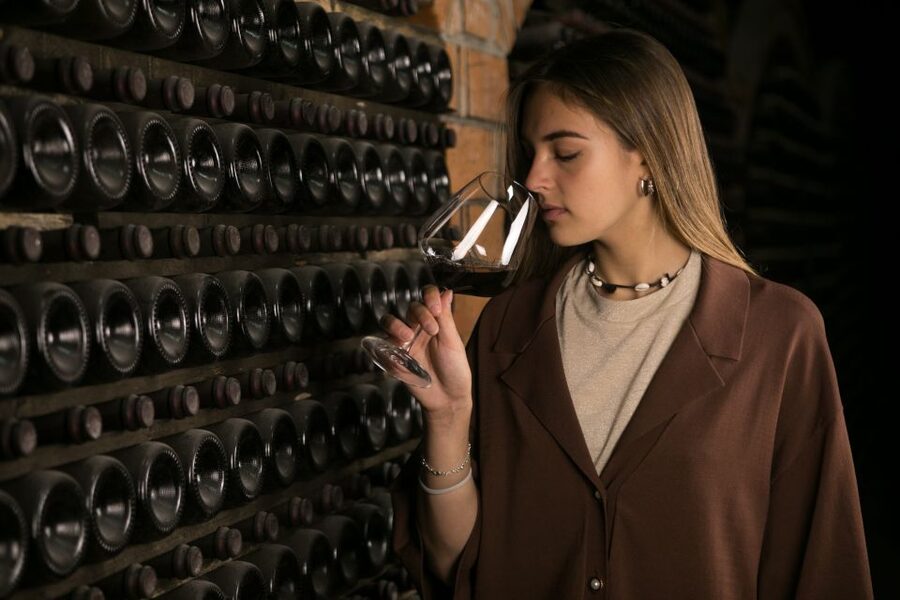
Montresor Winery sits just outside Verona’s central sights. From the Arena, a taxi is the simplest choice. You can also take bus 21 or 93 from Castelvecchio Castle, opposite the castle entrance. A bus stop is reported to be close to the winery, making public transport practical if you are comfortable checking the day’s schedule.
Driving is another option, since parking is available at the winery. Still, if you plan to taste several wines, a taxi or bus is the wiser choice. The trip from the center takes about 15 minutes by car or taxi, though traffic and pickup time can affect that estimate.
Meet your guide inside the Montresor winery. The starting point is not a countryside vineyard reached after a long drive. It is a modern winery site near Verona, which makes the experience easy to add to a city itinerary.
Arrive with enough time to find the entrance and settle in. One past visit had a major delay of about an hour, so a tightly packed schedule could create stress. The advertised tour itself lasts 1.5 hours, but I would not place a train departure or timed attraction immediately afterward.
The Museum Connects Verona and the Montresor Family
The first section places the winery in time. Displays cover the late 1800s through the present and connect Montresor family history with the wider story of Verona. Original winemaking tools help turn that story into something you can see rather than simply hear.
This is useful even if you know little about Italian wine. You learn how a winery preserves its identity while adapting through major historical events. The museum also shows that wine production is not only about the final bottle. It depends on equipment, storage, labor, family decisions, and changing methods.
The museum has a modern presentation, with interactive elements and carefully designed displays. One practical point: you may want more time to read everything. The guided pace keeps the visit moving, but a short tour can make it hard to study every panel in detail.
Guides are a major part of the experience. Emma and Leonardo have led visits that combine clear explanations with humor and a relaxed manner. Silvia has also been praised for an engaging presentation, while Emmanuele has guided the cellar and tasting portions. Your guide may be different, but the format calls for a live host in English or Italian.
Valpolicella, Ripasso, and Amarone Explained
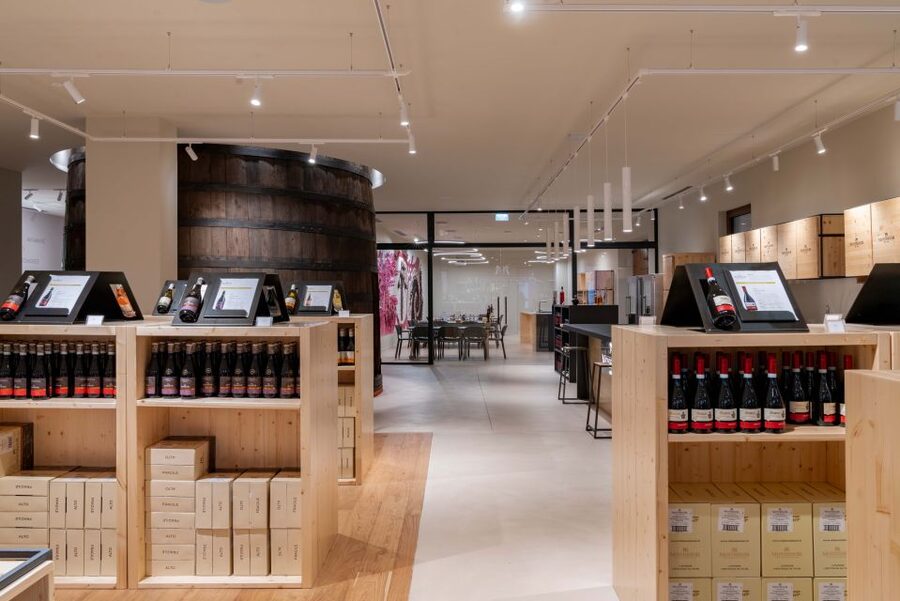
The wine section focuses on Valpolicella and shows how the area produces several styles from related grapes and methods. You learn about Valpolicella Classico, Ripasso, and Amarone, rather than treating them as interchangeable red wines.
Valpolicella Classico gives you a starting point for the local style. Ripasso adds another step in the process, and Amarone takes the lesson further through appassimento. The visit presents grapes at stages from harvest to drying, helping you see why the finished wines can differ in weight, aroma, and intensity.
Appassimento is central to the Amarone story. Grapes are dried before fermentation, concentrating their character and changing the way the wine develops. In the aging area, you can see where wine rests in large casks, while a full-wall historical mural adds a strong visual element unique to the winery.
This is the part that gives the tasting real value. Amarone can be expensive in restaurants and wine shops, especially outside Italy. Tasting it here, alongside related Valpolicella wines, lets you compare styles instead of judging one bottle in isolation.
The experience does not promise a full vineyard visit. You are touring an urban-edge winery with museum and production areas, not walking through rows of vines in the countryside. If your main goal is scenery and outdoor agriculture, look for a rural estate instead. If you want production, family history, and tasting in one compact stop, Montresor is a better fit.
Other cellars and estates near Verona:
- Wine Tasting with Panoramic View of Verona
★ 5.0 · 240 reviews - Guided Food Tour with Wine Tasting in Verona
★ 4.3 · 229 reviews - Cavaion: Lake Garda Wine & Food Tasting with Vineyard Tour
★ 4.7 · 202 reviews - Tuscany Day Trip from Florence: Siena, San Gimignano, Pisa and Lunch at a Winery
★ 5.0 · 21,634 reviews
The Aroma Room Turns Tasting into a Game
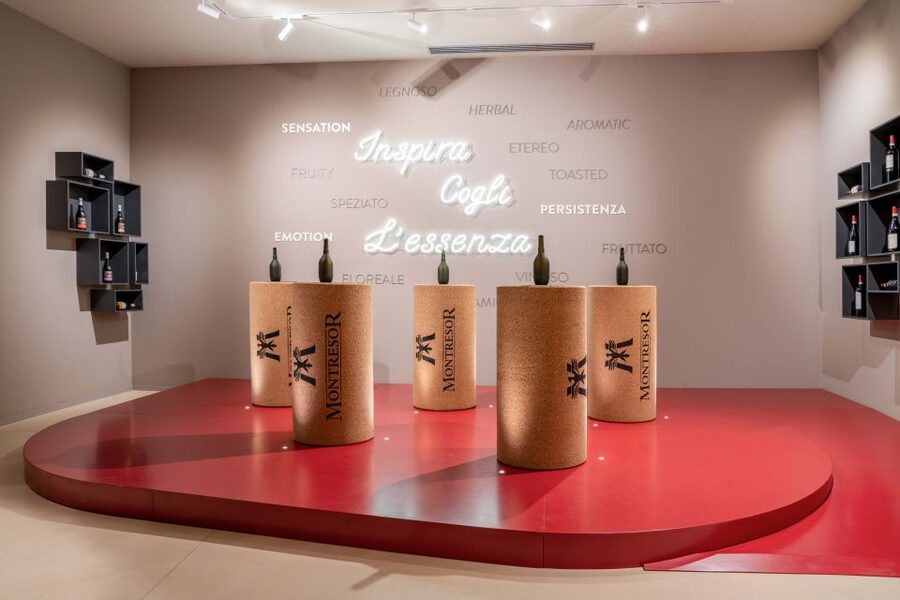
The sensory room is one of the most distinctive parts of the visit. You are asked to identify aromas associated with wine, using your nose before the tasting begins. This can feel like a quiz, but it is a useful one.
Emma has used an entertaining aroma challenge during the visit, and other guides make the exercise light rather than intimidating. You do not need a trained palate. The point is to notice how wine can suggest fruit, flowers, spices, wood, or other familiar smells.
I like this section because it gives you a practical skill you can carry into later tastings. Instead of hearing a list of tasting notes and nodding politely, you get a chance to search for those aromas yourself.
It also keeps the tour social. A small group can compare guesses and learn that people notice different scents. That makes the lesson less formal and more memorable.
Inside the Barrel Room
After the museum and sensory room, you pass beneath a historic barrel and enter the aging area. Large casks hold wines as they develop, and the room shows the slower side of winemaking.
The full-wall mural adds atmosphere without turning the cellar into a theatrical set. It ties the working space to the winery’s past and gives you a memorable backdrop for photographs. Bring a camera if you like taking pictures, although the main reason to pay attention is the explanation of how wine changes while it rests.
You may also see grapes drying for Amarone, depending on the timing of your visit. That is a useful detail because appassimento can otherwise sound abstract. Seeing the grapes at different stages makes the method easier to understand.
The cellar visit is not a long technical class. Your guide explains the process in plain terms and then moves you toward the tasting room. If you want highly detailed production data or a long walk through every facility, 90 minutes will feel brief.
The Final Tasting: Reds or Lake Garda Whites
The tasting is where you apply what you have just learned. Choose the Valpolicella red option for five glasses, or select the Lake Garda white option for four glasses.
The red route is the natural choice if Amarone is a priority. It can include Valpolicella styles through Amarone Riserva, giving you a progression from lighter local reds to the more powerful, concentrated end of the range. The guide explains each wine as you taste, including the role of the area and the production method.
The white route offers a different picture of the region. These are fresh, elegant wines from Lake Garda, so this option suits you if you prefer lighter whites or want something less intense than Amarone. You will taste four wines rather than five, but the choice lets you match the experience to your own preferences.
Food is provided with the wine. The current details list bread, olive oil, soppressa salami, and cheese. However, some past visits received only a small bag of breadsticks, and one account specifically noted the difference between the advertised meat and cheese and what was served. I would treat the food as a light pairing, not lunch, and confirm the exact offering if it matters to you.
The tasting room is also a good place to ask questions. Guides such as Leonardo and Emmanuele have been praised for clear, expressive descriptions. You can ask about the wines you just tasted, compare bottles, and decide if you want to buy something for later.
Buying Bottles and Shipping Them Home
A discount on bottle purchases is included as part of the experience. The shop gives you a chance to buy wines you already sampled, which is much safer than choosing an unfamiliar bottle from a shelf.
Shipping is available. Some visitors have had bottles sent home successfully, while others carried a few bottles in their luggage. Customs charges may apply, so check the rules for your home country before ordering a large shipment.
The shop can be useful even if you do not buy. You can compare labels, ask the staff for help, and use the tasting notes from the tour when making your choice. I would avoid buying a case simply because the cellar atmosphere has put you in the mood. Start with the wine you actually preferred.
Who Should Book This Experience
This tour suits adults who want a structured introduction to Verona-area wine without spending half a day outside the city. It is especially good for first-time wine tasters, couples, and small groups who like history, production details, and guided sampling in equal measure.
It also fits a mixed group. One person can enjoy the family story, another can focus on winemaking, and a third can concentrate on the tasting. The aroma room and quiz give the visit something to do beyond listening.
You need to be 18 or older, and minors must be accompanied by an adult. The experience is not suitable for children under 18, pregnant women, or vegans because of the wine and the listed food pairings.
Some areas may not be easy to access for people with reduced mobility or other disabilities. Ask the provider about the exact route before booking if accessibility is important.
The experience runs with a minimum of two participants. English and Italian tours are available. Free cancellation is offered up to 24 hours before the start, and you can reserve now and pay later, which helps if your Verona schedule is still changing.
Should You Book Montresor Winery?
Book it if you want more than a quick pour and a souvenir glass. The museum, sensory room, barrel room, appassimento display, and guided tasting create a well-paced lesson in local wine. The $34 cost is reasonable for the amount included, particularly if you choose the red tasting and want to try Amarone Riserva.
Choose the Lake Garda whites if you prefer fresh, lighter wines. Choose the Valpolicella reds if your Verona wine education should include Ripasso and Amarone.
I would skip it only if you want a rural vineyard setting, a full meal, or a long outdoor excursion. For a compact, weather-proof wine experience close to Verona, Montresor offers a useful mix of place, process, and pleasure. Give yourself extra time for transport, confirm the snack details, and leave room in your luggage or budget for a bottle you truly enjoy.
FAQ
How long does the Montresor Winery experience last?
The guided experience lasts 1.5 hours.
How many wines are included?
The Valpolicella red option includes five glasses. The Lake Garda white option includes four glasses.
Can I choose between red and white wines?
Yes. You can select Valpolicella reds or Lake Garda whites when booking.
How do I reach the winery from Verona?
You can take a taxi from the Arena or use bus 21 or 93 from Castelvecchio Castle. Parking is available at the winery.
Is the tour offered in English?
Yes. Live guided visits are available in English and Italian.
Are snacks included with the tasting?
Yes. The current details list bread, olive oil, soppressa salami, and cheese. Some past visits received breadsticks only, so confirm the food offering if it is important to you.
More eating and drinking in Verona
- Florence: Chianti Wineries Tour with Wine Tasting
★ 4.5 · 8,301 reviews - Small-Group Wine Tasting Experience in the Tuscan Countryside
★ 5.0 · 7,392 reviews - Rome: Tuscany & Montepulciano Day Trip with Lunch & Wine Tasting
★ 4.5 · 5,232 reviews - Winner 2025 Rome Twilight Trastevere Food Tour by Eating Europe
★ 5.0 · 5,157 reviews
Just added in Verona
- Guided Food Tour with Wine Tasting in Verona★ 4.3 · 229 reviews
- From Verona: Sirmione and Lake Garda Day Tour with Cruise★ 4.6 · 520 reviews
- Verona: Hands-on Fresh Pasta and Tiramisù Cooking Class★ 4.9 · 295 reviews
- Verona: Classic and Hidden Gems Bike Tour★ 4.9 · 577 reviews
- Cavaion: Lake Garda Wine & Food Tasting with Vineyard Tour★ 4.7 · 202 reviews
- Verona: Arena di Verona Opera Ticket★ 4.6 · 721 reviews
- Discover Valpolicella Vineyards and Wine Tasting Experience★ 4.5 · 341 reviews
- Wine Tasting with Panoramic View of Verona★ 5.0 · 240 reviews
Wine Tours, compared.
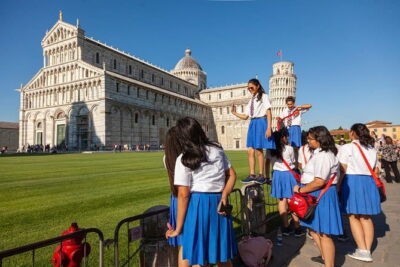
Tuscany Day Trip from Florence: Siena, San Gimignano, Pisa and Lunch at a Winery
Read our review →
Tuscany & Montepulciano Day Trip with Lunch & Wine Tasting
Read our review →
SMALL-GROUP Wine Safaris: Tuscan Wine Tasting Tours from Florence
Read our review →
Winner 2025 Florence Sunset Food & Wine Tour by Eating Europe
Read our review →
Siena, San Gimignano, Pisa & Lunch at Winery
Read our review →
San Gimignano, Siena, Monteriggioni, Chianti Day Trip with Lunch & Wine Tasting
Read our review →
Browse the lists this tour appears in