
Reviewed · CHIANTI & TUSCAN COUNTRYSIDE TOURS
From Florence: Tuscany Wine & Food Tour with Guide
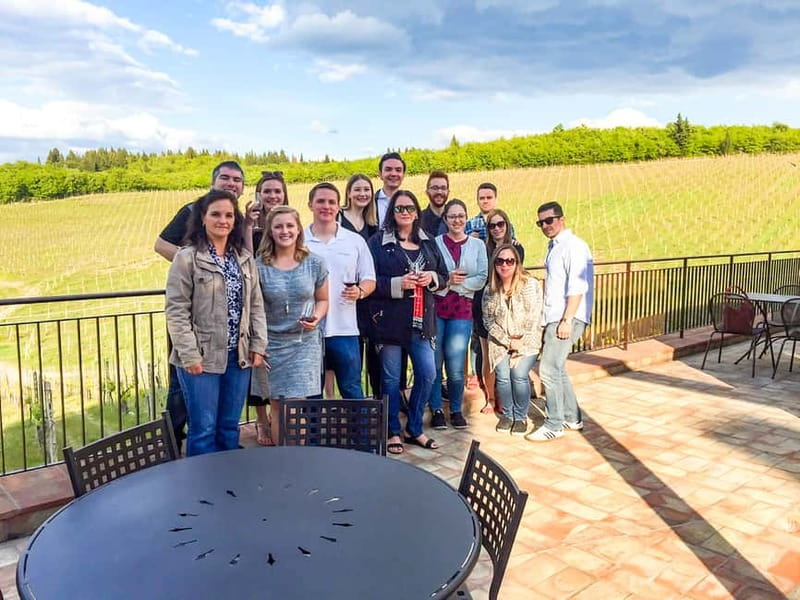
The best part of this full-day outing is the variety: you visit three different Chianti wineries, not one large commercial estate, then stop in Greve for a look at village life. Between tastings, your guide fills in the story of Sangiovese, Florence, and the hills rolling past the van windows.
I like the small-group format, which makes it easier to ask questions and get a seat with a view. I also like the generous food pairing: cured meats, cheeses, bruschetta, handmade pasta, dessert, olive oil, and balsamic vinegar. The main drawback is that this is firmly a red-wine tour, and the winding roads can trouble anyone prone to motion sickness.
The day at a glance
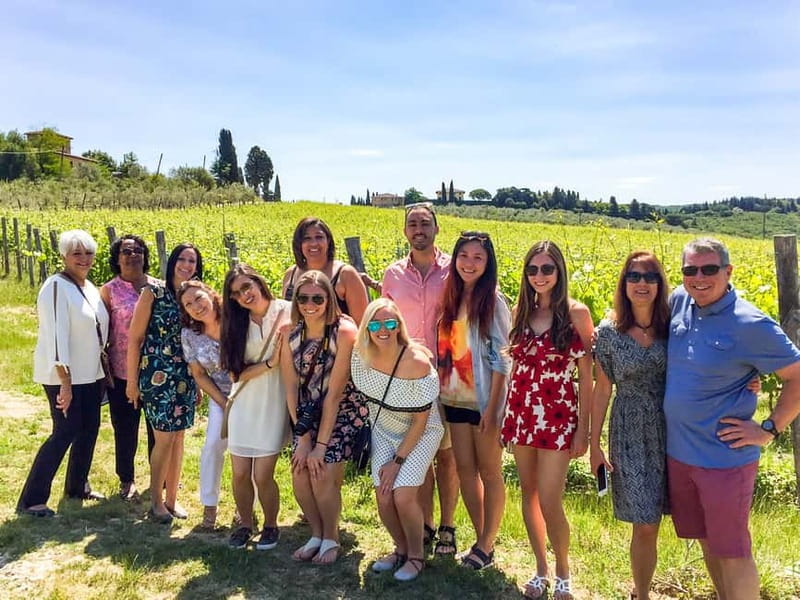
- Three organic wineries: Compare small producers, cellar styles, gardens, and winemaking approaches across the Chianti area.
- A full Tuscan lunch: Expect cold cuts, salami, cheeses, bruschetta, pasta, dessert, and local wine.
- Greve in Chianti: Take free time in the village’s main square, the most representative town stop on the route.
- Guides who shape the day: Leo, Jason, Jonathan, Suzy, Matteo, Angie, and others have been praised for humor, history, wine knowledge, and friendly hosting.
- Small group, not a giant coach: The usual maximum is 25 people, though group sizes can vary.
- A practical Florence departure: Meet at Piazzale Montelungo, about an eight-minute walk from Florence Santa Maria Novella station.
From Florence to the Chianti hills
This is an eight-hour day, and it begins away from Florence’s crowded center. You meet at Piazzale Montelungo, at the bottom of the tallest red-brick building opposite the parking lot. Look for the red flag or Prestige Rent sign.
Allow extra time to find the meeting point. If you use Google Maps, do not follow a route through the train station, since that exit is closed. The walk from Florence SMN station is short, but a few minutes of confusion can matter when a group departure is involved.
Once you leave Florence, the day becomes more scenic. The air-conditioned vehicle carries you through the Chianti countryside, with Wi-Fi on board and a driver who handles the narrow, twisting roads. The scenery is a major part of the experience, not just something to watch between stops.
The guide adds context as you go. Names vary by departure, but Leo, Jason, Jonathan, Suzy, Matteo, Angie, and others have been praised for keeping the ride lively while explaining wine, Florence, and the surrounding towns. Some guides also offer practical suggestions for gelato and places to eat in Florence.
The vehicle may be a comfortable small bus or van, depending on the group. The advertised maximum is 25 people, but one departure had 26 passengers plus the guide. That is still far more personal than a standard coach tour, which can run with 50 or 60 people.
More Food Tours in Florence
- Florence: Cinque Terre Park Day Trip with Optional Street Food
★ 4.5 · 3,593 reviews - Small Group Cooking Class & Market Food Tour in Florence
★ 5.0 · 1,574 reviews - Florence: Cinque Terre Day Trip with Optional Street Food
★ 4.5 · 1,315 reviews
First winery: seeing how Chianti wine is made
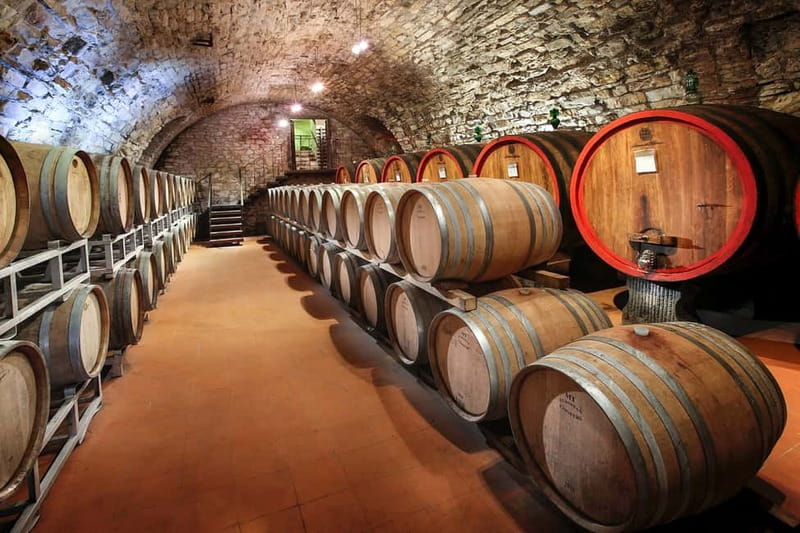
The first winery gives you the basic framework for the day. You visit the farm and cellar, learn about the winemaking process, and hear how local producers handle grapes, fermentation, and aging.
This stop matters even if you are not a serious wine drinker. It gives you something to look for during the later tastings. Instead of simply hearing a wine’s name and taking a sip, you begin to connect the drink with the farm, cellar, grape, and local growing traditions.
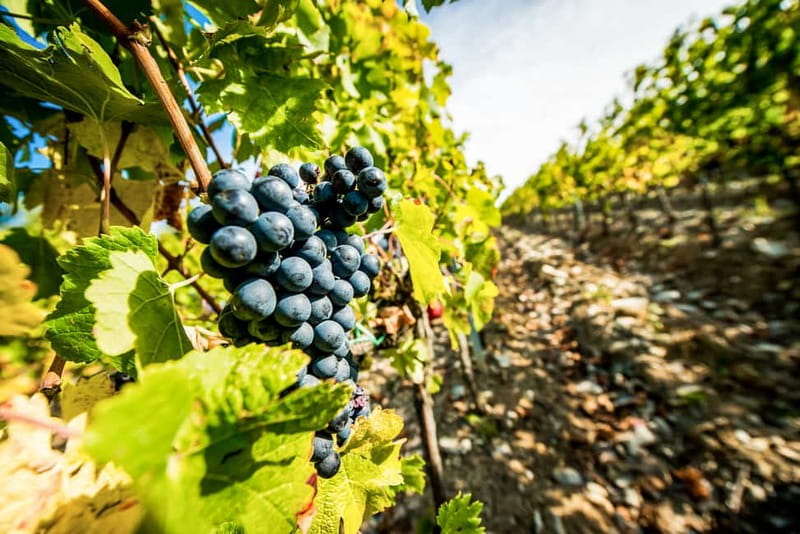
The area is famous for Chianti Classico, with Sangiovese as the main grape. That means the tasting list is weighted toward red wines. You may find some variation, but do not book this day expecting a broad selection of white, sparkling, or sweet wines.
Food normally appears alongside the wine, often in the form of bread or small snacks. Olive oil and balsamic vinegar are also part of the tasting experience. These details help make the stop feel like a look at Tuscan food culture rather than a series of glasses lined up on a table.
One practical point: the first winery can be reached around 10 a.m. Eat breakfast before you leave Florence. The food later is substantial, but you should not count on the first tasting to replace breakfast.
The hilltop estate and the main meal
The second stop is a selected hilltop wine estate, where a wine specialist explains the estate’s approach and shares local stories. The setting gives you another view of the region, and the change from the first winery helps you compare different producers rather than treating Chianti as one uniform product.
Lunch is served here, paired with the estate’s own wine and products. The meal typically includes assorted cold cuts, cured ham, salami, cheeses, bruschetta, pasta, and dessert. Handmade pasta may be served, and local wines continue to accompany the food.
The amount of food can vary. For some people, the meal feels generous because snacks are served at several stops. One useful warning is that the lunch portion at one departure was considered small, so a large breakfast remains sensible. You are not likely to go hungry over the course of the day, but do not expect a long restaurant-style lunch with a broad menu.
Vegetarian food can be arranged if you request it when booking. That request matters because the standard meal is built around cured meats and cheese. A vegetarian option is available by arrangement, not something to assume at the last moment.
The food is one of the tour’s strongest features because it shows how Tuscan wine is normally enjoyed. Salami, pecorino-style cheese, bruschetta, pasta, and olive oil tell you as much about the region as the cellar explanations do.
Still, the three winery visits can cover similar ground. The basic stories about local grapes, traditional cultivation, and wine production may be repeated. One departure also had similar food at two stops. If you want three sharply different culinary menus or advanced technical wine study, this may feel less varied than a private specialist tour.
Greve in Chianti, a village pause
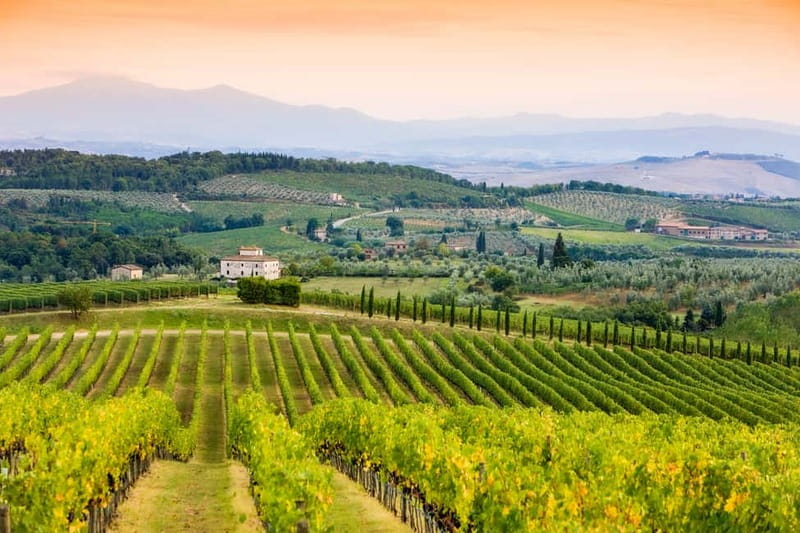
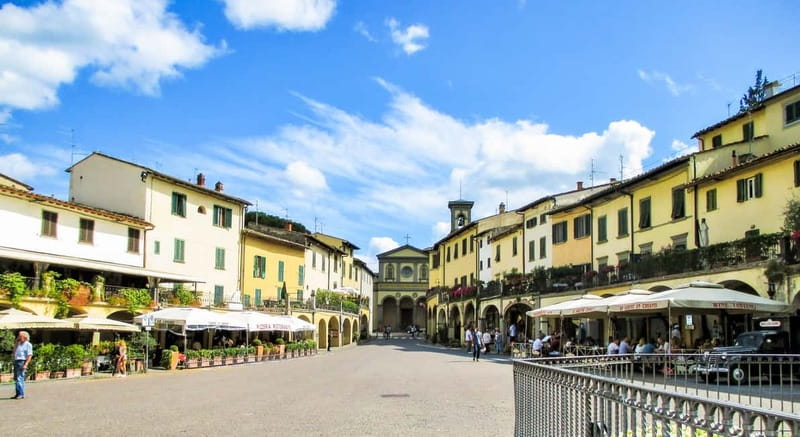
After lunch, the route stops in Greve in Chianti. You get free time to walk around the main square, take photographs, and look at the village at your own pace.
Greve is known as the most representative village in the Chianti Classico countryside. The stop is brief, so think of it as a chance to stretch your legs and get a feel for a small Tuscan town, not a full cultural visit with museums and long guided walks.
I like this break in the rhythm. Three wineries in one day could become a blur of cellars and tasting tables. Greve gives you a change of scene and a chance to enjoy the town without a guide explaining every step.
Food and drinks purchased in Greve are not included. Use the stop for a gelato, coffee, a quick look around, or a walk through the square. Your guide may suggest places, but any extra purchases are yours.
Other days in the Tuscan hills from Florence:
- Tuscany Day Trip from Florence: Siena, San Gimignano, Pisa and Lunch at a Winery
★ 5.0 · 21,634 reviews - Florence: Pisa, Siena and San Gimignano Day Trip with Lunch
★ 4.6 · 9,771 reviews - Florence: Pisa, Siena, San Gimignano, and Chianti Experience
★ 4.5 · 8,393 reviews - Florence: Chianti Wineries Tour with Wine Tasting
★ 4.5 · 8,301 reviews
The final villa and winery
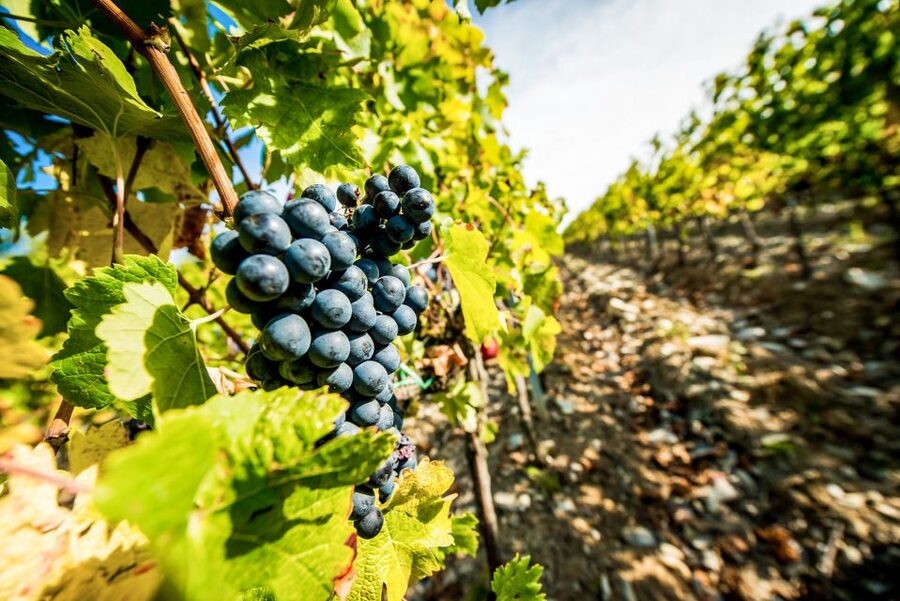
The last stop is a historic family-owned villa and winery. Here you can admire views toward Florence and see one of the area’s notable Italian gardens.
This stop adds a different tone to the day. The first winery focuses on production, the second combines wine with lunch, and the final estate brings in architecture, gardens, views, and family cultivation traditions. You also taste local products made with respect for traditional methods.
The point of visiting three places is comparison. You can consider how each producer presents its wine, how the estates use their setting, and how the food pairing changes from one stop to the next. You do not need a trained palate to enjoy this comparison. Simply notice which wine, oil, or setting appeals most to you.
Wine purchases are possible at the wineries. Shipping arrangements to the United States have been offered at the estates, but you should ask about current costs and delivery details before buying. Bringing bottles home can be appealing, but shipping wine internationally is a practical matter, not an automatic part of the tour.
What the small group changes
The group size is one of the clearest reasons to choose this outing over a cheaper large-coach trip. With up to about 25 people, the guide can move the group through a cellar without creating the same crowding you get with 50 or 60 passengers.
A smaller group also helps during the drive. Guides such as Leo, Jason, and Jonathan have been praised for learning names, keeping people involved, and breaking the ice between couples and solo participants. Several departures became social days, with people from different countries talking over lunch and tastings.
There is a tradeoff. Twenty-five people is small for a coach excursion, but it is not private. You will still follow a set schedule, share the tastings, and wait for the group to gather before moving on. If you want to linger over one bottle, ask highly technical questions, or change the route, book a private tour instead.
The driver matters on this route. Chianti’s roads can be winding, and several guides and drivers have been praised for smooth, careful driving. If you are prone to car sickness, sit where you can see the road, avoid arriving hungry, and consider bringing whatever remedy you normally use.
Is $175 a fair price?
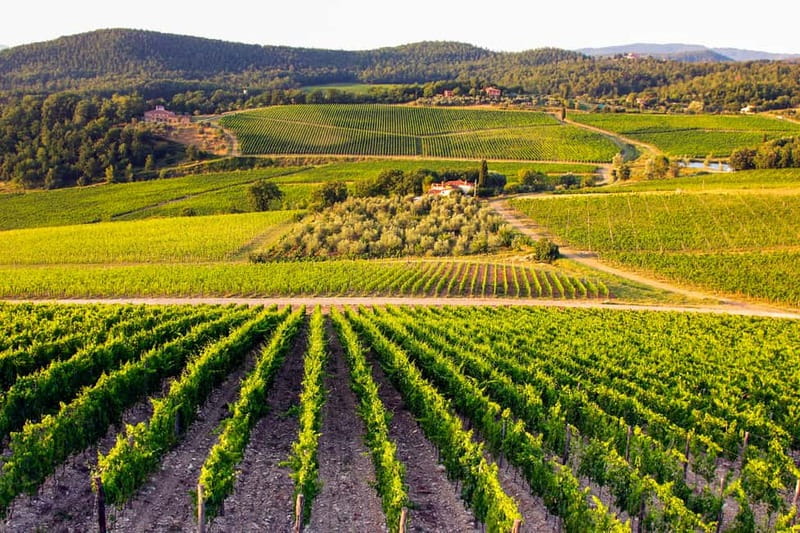
At $175 per person, this is not the cheapest way to see the Tuscan countryside. But the price includes transportation from Florence, an English-speaking driver-guide, three winery visits, wine tastings, olive oil, lunch, Wi-Fi, and free time in Greve.
A rental car would give you more freedom, but someone in your group would need to drive after several tastings. You would also need to arrange winery appointments, find the estates, manage parking, and build a route that fits three visits into one day. For many people, the included transport and planning are worth a large part of the cost.
Compared with a simple transfer to one winery, this tour gives you far more content. You see several producers, eat a full Tuscan meal, visit a village, and spend the day outside Florence. I consider it good value if you want a broad introduction to Chianti rather than a focused education in one estate.
The value is weaker for a serious wine collector who already knows Chianti well. Repeated explanations and similar food pairings may feel basic. The tour is designed for curious visitors who want scenery, food, wine, and an easy route through the region.
Who should book this Tuscany wine tour?
This works best for adults and older teenagers who want a social day in the countryside. Children under 12 are not permitted, and the tour is not suitable for people with mobility impairments because cellars may require the use of stairs.
It is a good choice for first-time wine tasters. The guides explain the basics without requiring specialist knowledge, and the food gives you something to enjoy even if a particular red is not your favorite.
It also suits experienced wine drinkers who want to compare three local producers in one day. Just keep your expectations realistic: the tastings focus mainly on red Chianti wines, especially those based on Sangiovese.
This is less suitable if you want long walks, a quiet private setting, or a detailed examination of white wines. It is also a poor match if winding roads make you ill or if you need a fully accessible vehicle and cellar route.
What to bring and how to prepare
Bring your passport or ID card. Pets are not allowed.
Wear comfortable clothing and shoes, since you will move through farms, cellars, village streets, and garden areas. The tour runs in rain or shine, so check the forecast and dress for changing weather.
Have breakfast before departure. The tastings include food, but the first stop may come early, and lunch is not guaranteed to be a large meal.
Plan to spend extra money in Greve only if you want coffee, gelato, or other purchases. Wine bought at the estates is also separate from the tour price.
The tour operates in English only. If you need another language, this is not the right booking.
Should you book it?
Book this tour if you want an easy, well-filled day from Florence with three wineries, a proper Tuscan lunch, and a village stop. The guides are a major part of the appeal, and names such as Leo, Jason, Jonathan, Suzy, and Matteo have been praised for making the drive as enjoyable as the tastings.
I would choose it for a first visit to Tuscany, for couples who do not want to drive after drinking, and for anyone who wants countryside views without planning every appointment. I would skip it in favor of a private or specialist wine tour if you need rare vintages, extensive white-wine tasting, or a slow visit at one estate.
The red-wine focus, winding roads, stairs, and occasional repetition are the main cautions. For most visitors, the mix of food, scenery, friendly guides, and three distinct winery settings makes $175 a sensible way to get beyond Florence for a day.
FAQ
Where does the tour meet in Florence?
Meet at Piazzale Montelungo, at the bottom of the highest red-brick building opposite the parking lot. Look for a red flag or a Prestige Rent sign. The meeting point is about an eight-minute walk from Florence Santa Maria Novella station, but the train station exit shown on some Google Maps routes is closed.
How long does the Tuscany wine tour last?
The tour lasts eight hours. Starting times vary, so check the available departure time when booking.
How many wineries will I visit?
You will visit three different wineries in the Chianti area. The day includes guided visits, wine tastings, olive oil tasting, and local food pairings.
Is lunch included?
Yes. Lunch generally includes cured ham, salami, other cold cuts, cheeses, bruschetta, pasta, dessert, and the winery’s wines. A vegetarian menu can be arranged if requested when booking.
Does the tour include white wine?
The wineries are in Chianti, a region best known for red wines made mainly from Sangiovese. Tastings therefore focus mostly on red wine, so this is not the best choice if you want a broad white-wine program.
Is the tour suitable for people with limited mobility?
No. The tour is not suitable for people with mobility impairments because some wine cellars are reached by stairs. It is also not suitable for children under 12.
More food to try in Florence
- Florence: Street Food Tour with Wine & Local Guide
★ 4.9 · 800 reviews - Florence: Street Food Walking Tour with Wine
★ 4.9 · 719 reviews - Florence Exclusive PRIVATE Food Tour with 6 or 10 Tastings
★ 4.5 · 654 reviews - Florence: Food Walking Tour with Local Steak and Tuscan Wine
★ 4.9 · 529 reviews
More eating and drinking in Florence
- Small-Group Wine Tasting Experience in the Tuscan Countryside
★ 5.0 · 7,392 reviews - SMALL-GROUP Wine Safaris: Tuscan Wine Tasting Tours from Florence
★ 5.0 · 5,088 reviews - Winner 2025 Florence Sunset Food & Wine Tour by Eating Europe
★ 5.0 · 5,015 reviews - San Gimignano, Siena, Monteriggioni, Chianti Day Trip with Lunch & Wine Tasting
★ 4.5 · 4,432 reviews
Just added in Florence
- Wine Tasting Experience in Ponte Vecchio: Best Tuscany selection!★ 5.0 · 197 reviews
- Walking Food Tour of Florence with Tastings and Wine★ 5.0 · 518 reviews
- Wine Experience In Chianti Hills from Florence★ 4.5 · 195 reviews
- Florence Sunset Food Tour with Wine & Dine at a Tuscan farmhouse★ 5.0 · 194 reviews
- Val d’Orcia Brunello Wine Tour with Montalcino and Montepulciano★ 4.5 · 359 reviews
- Uffizi and Accademia Small Group Guided Tour★ 4.5 · 449 reviews
- Uffizi Gallery Timed Entry Admission Tickets★ 4.0 · 392 reviews
- Uffizi Gallery Small Group Tour with Guide★ 4.5 · 879 reviews
Chianti & Tuscan Countryside Tours, compared.
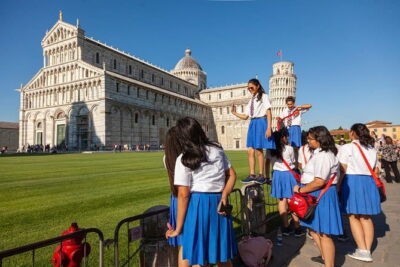
Tuscany Day Trip from Florence: Siena, San Gimignano, Pisa and Lunch at a Winery
Read our review →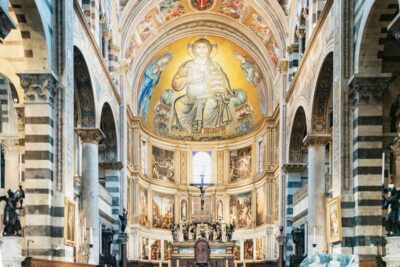
Pisa, Siena, San Gimignano, and Chianti Experience
Read our review →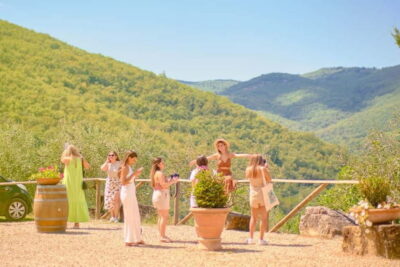
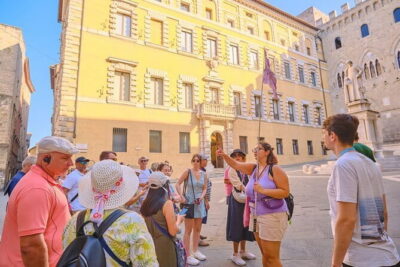
Pisa, Siena and San Gimignano Day Trip with Lunch & Wine Pairing
Read our review →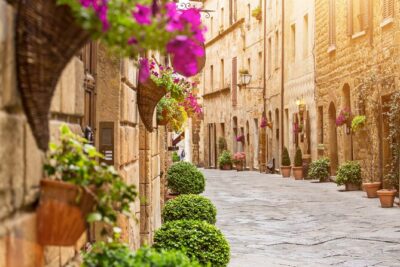
Tuscany & Montepulciano Day Trip with Lunch & Wine Tasting
Read our review →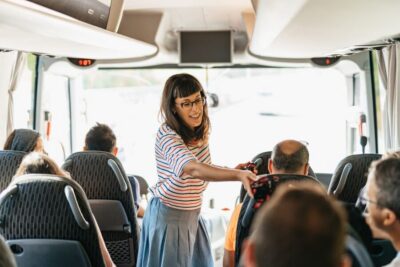
Siena, San Gimignano, Pisa & Lunch at Winery
Read our review →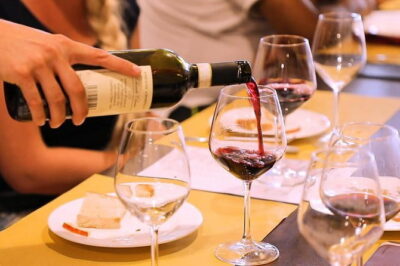
San Gimignano, Siena, Monteriggioni, Chianti Day Trip with Lunch & Wine Tasting
Read our review →
Pisa, Siena, S. Gimignano, Chianti Wine & Lunch
Read our review →Browse the lists this tour appears in