
Reviewed · TOURS IN VENICE
Tour of The Real Hidden Venice
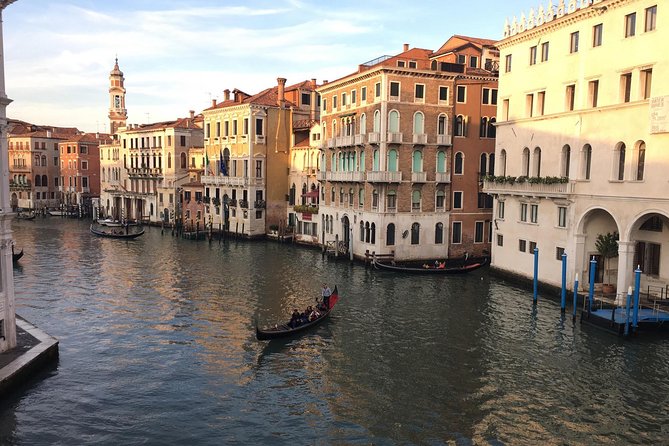
Venice gets much quieter once you leave the grand route between the station, Rialto, and St. Mark’s. This two-hour walk leads you from Campo San Geremia through Cannaregio, the Jewish Quarter, peaceful canals, and old working corners before finishing at Rialto Bridge and its market.
I like the small group limit of 15, which gives you room to ask questions, and I like the mix of major sights and lesser-known places, including a historic gondola workshop and the unusual Camel House. The main drawback is that this is a walking tour with several long stops for explanation, so it may feel slow if you want constant movement.
- Quiet starting point: Begin near Hotel Antiche Figure and the Santa Lucia station area, then leave the main tourist flow behind.
- Local perspective: Guides such as Nico and Sebastiano connect Venetian history with water supply, transport, food, schools, and daily life.
- Jewish Quarter context: Spend time learning why the word ghetto began in Venice and how this district developed.
- Unusual sights: See the Madonna dell’Orto, Palazzo Mastelli del Cammello, Ponte Chiodo, and a traditional gondola yard.
- Strong ending: Finish at Rialto Bridge, Campo San Giacomo di Rialto, and the old Rialto market area.
- Good value for orientation: At $47.16 per person, it offers two hours with a local guide, a city map, and a useful starting point for exploring alone.
Why this walk gets beyond postcard Venice
The best feature here is the route. You do not spend two hours circling only the famous squares and palaces. Instead, you begin in Cannaregio, one of the city’s six historic districts, and cross quiet bridges into streets where Venice feels more like a place to live than a stage set.
That change matters. Venice is compact, but its narrow lanes can make orientation tricky. A local guide can point out how the districts connect, explain why the canals and bridges are arranged as they are, and show you corners you might pass without understanding.
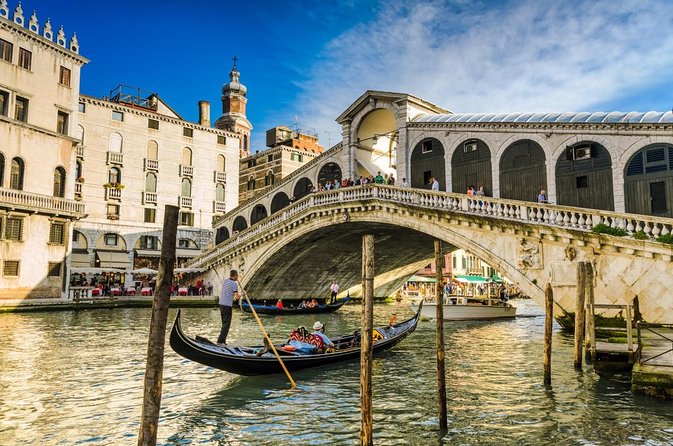
The tour also gives you a useful contrast. Rialto Bridge is one of Venice’s essential sights, but it means more after you have walked through quieter neighborhoods first. You reach it with some sense of the city’s older working life, rather than seeing it only as a photo stop.
The experience is offered in English, with group and private options. The shared group is limited to 15 people. That is small enough for questions, though one person noted that a guide can still be hard to hear at times, even in a group of six. Stay near the guide, especially during street-side explanations.
Starting at Campo San Geremia
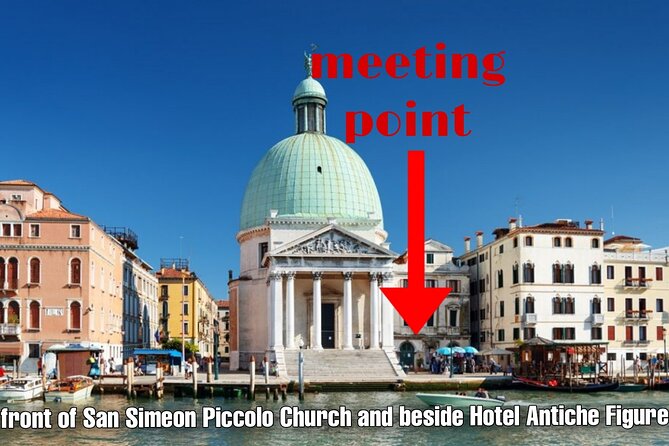
Meet in front of Hotel Antiche Figure at Fondamenta San Simeon Piccolo, close to Venice’s Santa Lucia train station. Check this location carefully before setting out. The tour does not include hotel pickup, and the end is near Rialto Bridge, not back at the starting point.
Campo San Geremia is a pleasant place to begin because it feels removed from the grandest tourist routes. The opening story concerns the square’s unusual and comic past. It is a small introduction, but it sets the tone: this walk is interested in the odd details that help Venice feel human.
You receive a city map, which is useful after the tour. Venice rewards wandering, but only if you can tell where you are. The map and the route give you a basic mental picture of the city before you continue on your own.
If you arrive by water taxi from a cruise ship or begin near St. Mark’s Square, plan your connection with care. One person found the walk to the starting point too long because of mobility concerns. The supplied meeting point is near the train station, so do not assume the tour begins at St. Mark’s.
Other days out people book in Venice:
- Venice: Doge’s Palace Reserved Entry Ticket
★ 4.6 · 42,716 reviews - Venice: Grand Canal Gondola Ride with App Commentary
★ 4.1 · 18,908 reviews - Boat Trip: Glimpse of Murano, Torcello & Burano Islands
★ 4.3 · 15,699 reviews
Crossing into the Jewish Quarter
The walk continues over Cannaregio’s quieter footbridges into the Venetian Jewish Quarter. This is one of the most worthwhile parts of the route because the guide explains the origin of the word ghetto and the district’s place in Venetian history.
The scheduled stop lasts about 15 minutes, but the subject can take longer in practice. That is useful if you want context, though it may feel like a long standstill early in a two-hour walk. One person specifically wished the group had started moving sooner after arriving tired in the morning.
This is also a place where questions improve the experience. Ask about the district, Venetian social life, or how the quarter fits into the rest of Cannaregio. Guides including Sebastiano and Nico have been praised for linking past events with present-day Venice, rather than treating history as a list of dates.
Cannaregio’s quiet canals
About half an hour is devoted to Cannaregio’s canals and lanes. This is the part I would value most if you have already seen the Rialto and St. Mark’s areas and want a slower look at Venice.
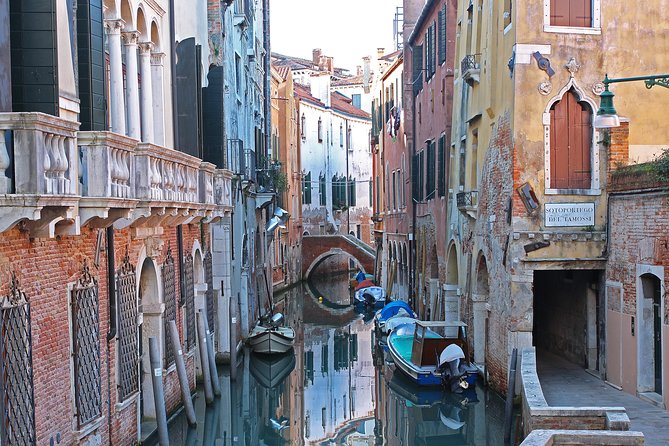
You cross small bridges, pause beside canals, and get away from the tightest stream of foot traffic. The route is not a wilderness walk, of course. Venice is a city of stone, water, and narrow passageways, but the pace and setting give you more space to notice doors, facades, mooring points, and the shape of daily movement.
The guide may discuss how the city functions, including water supply, transport, and ordinary life. That practical angle came through strongly in the feedback about Nico, a guide described as a fifth-generation Venetian. Details like these help answer questions you may not think to ask in a palace tour.
You may also receive suggestions for restaurants, bars, or later outings. Georgia, for example, helped one group understand how to reach Murano, while several guides offered food recommendations at the end. Treat these tips as a useful bonus, not the main reason to book.
Madonna dell’Orto and the old Venetian floor
The next stop is the Church of the Madonna dell’Orto, known for its Tintoretto paintings. The stop itself is listed as about five minutes, and admission is not included, so confirm what you want to do before booking if entering the church is important to you.
Outside, you can see an original section of Venice’s floor in front of the church. That small detail is easy to miss when walking alone. The church adds an art connection to a route otherwise focused on neighborhoods, legends, and working life.
Do not expect an extended museum visit here. The tour has many stops in two hours, so the church is treated as one part of a broader walk. If you want long time with Tintoretto’s work, you will need to return independently.
Same base, a different kind of day:
- Venice: Grand Canal by Gondola with Live Commentary
★ 4.1 · 13,681 reviews - Venice: La Fenice Opera House Entry Ticket with Audio Guide
★ 4.6 · 11,742 reviews - Doge’s Palace & St. Mark’s Basilica with Terrace Access Tour
★ 4.7 · 10,697 reviews - Venice: Burano, Torcello & Murano Boat Tour w/Glassblowing
★ 4.4 · 10,245 reviews
Camel House and an old gondola yard
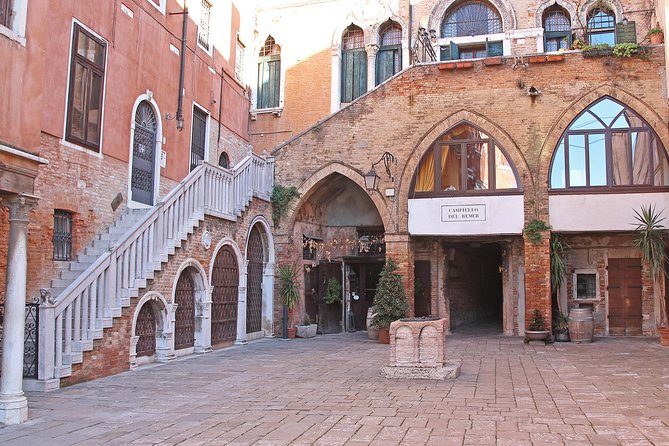
Palazzo Mastelli, also called the Palazzo del Cammello, is known for its striking facade and the legend behind its nickname. The stop lasts about five minutes. That is enough for a short explanation and photographs, but not for a detailed architectural study.
The building is a good example of the tour’s style. You see something visually memorable, then hear the story that gives it meaning. I prefer this kind of stop to a long list of anonymous buildings because you leave with a clear detail to remember.
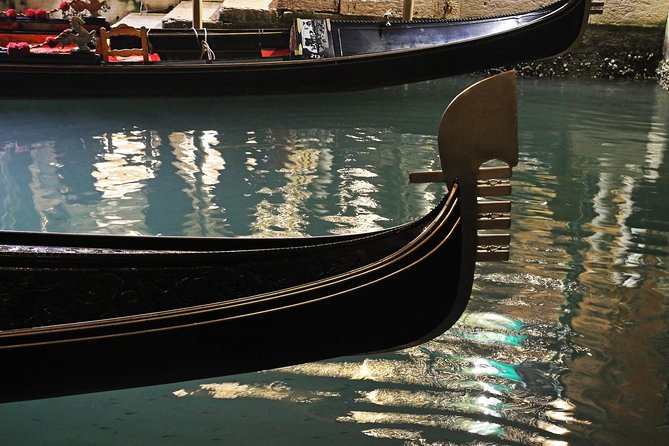
The route then reaches Squero dei Muti, an old gondola factory. You do not simply see gondolas gliding past in the Grand Canal. You get a glimpse of the craft and work connected with keeping these famous boats in service.
The information provided does not promise an interior workshop visit, so expect to admire the site from the route rather than assume you will enter. That distinction matters if you are specifically looking for a hands-on craft demonstration.
Ponte Chiodo and Venice’s bridge traditions
Ponte Chiodo is described as an original bridge from the Venetian Republic. It is another brief stop, about five minutes, but it gives the guide a chance to discuss how Venice’s bridges developed and how they differ from the familiar stone crossings near the main sights.
Short stops can make the tour feel full. They also mean the amount of detail depends on your guide and your questions. If you want more than a quick fact, ask the guide to explain what makes this bridge unusual.
This is one reason the private option may be worth considering for some people. A private group can set its pace and spend more time on subjects that interest you. The shared tour is less costly and still allows questions, but the route must serve the whole group.
Reaching Rialto Bridge with better context
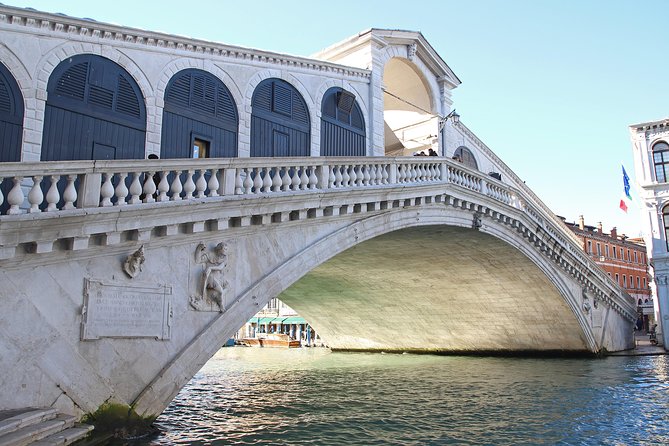
The walk ends at Ponte di Rialto, Venice’s first bridge across the Grand Canal and one of the city’s most famous landmarks. The guide uses the bridge to explain traditions, legends, and lesser-known stories connected with the 16th-century structure.
Arriving here at the end is smart. You finish in the center of Venice, with easy access to further sightseeing, food, and transport options. You are not left in a remote quarter wondering how to continue.
The bridge itself can be crowded, and the tour does not remove that reality. Its value is the story attached to the place. After two hours in quieter Cannaregio, you can see why Rialto became such an important crossing and trading point.
The final stop is Campo San Giacomo di Rialto, described as the first lived island of Venice, followed by the Rialto Market area. The market was the old trade center of the Venetian Republic. Depending on the day and time, market activity may vary, so think of this as a historical and neighborhood stop rather than a guaranteed full market experience.
Is $47.16 a fair price?
At $47.16 per person, the tour sits in a sensible range for a two-hour guided walk in Venice. The price includes the local guide, local taxes, a city map, and the walking tour itself. It does not include hotel pickup, drop-off, or admission to the Madonna dell’Orto.
The value depends on how you use it. If you are comfortable navigating Venice and enjoy reading about buildings as you pass, you can explore Cannaregio alone. If you want someone to connect the Jewish Quarter, local canals, Venetian legends, gondola making, and Rialto into one clear route, the price is easier to justify.
A private option costs more, though the exact private price is not provided here. I would consider it for a family, a small group with special interests, or anyone who wants a slower pace and more time for questions. The shared group is the better value if you mainly want orientation and local suggestions.
The tour is also useful early in a Venice stay. Several guides have helped people with restaurant ideas, bars, transport, and later trips to places such as Murano. You can save the map and recommendations for the rest of your visit.
Who will enjoy this tour most?
This walk suits a first-time visitor who wants more than the standard route. It is also a good choice if you have already seen St. Mark’s Square and the Doge’s Palace and now want to understand the city’s quieter quarters.
You should have a moderate level of fitness. Venice means bridges, steps, uneven paving, and steady walking. Children must be accompanied by an adult. The tour is not presented as wheelchair-friendly, so anyone with mobility concerns should inspect the route and meeting point carefully before booking.
The walk can work well for families and older children because it mixes stories, legends, art, bridges, canals, and practical city details. Younger children who need constant activity may find the longer history stops less engaging.
For the best experience, arrive ready to listen outdoors. Wear comfortable shoes and stay close enough to hear. If rain is forecast, check the operator’s arrangements, since poor weather can lead to a different date or a full refund.
What the strongest praise tells you
The most consistent strength is the guide. Names that appear repeatedly include Nico, Sebastiano, Giovanni, Georgia, Michelle, Thomas, and Nick. The individual guide will vary, but the best version of this experience is clearly conversational, local, and personal.
Nico, in particular, has been described as connecting the city’s water supply, transport, schools, food, and present-day problems with older events. One especially personal route detail involved passing schools connected with the guide and a trainee, which made the walk feel tied to real local lives rather than a memorized script.
Sebastiano has been praised for explaining all six quarters at the start, which is a useful way to get your bearings. Other guides have been appreciated for humor, restaurant advice, and help with getting around after the walk.
The less favorable feedback points to two fair cautions. Some people found the information too general unless they asked specific questions. Others felt there were long periods standing still, or that the guide was difficult to hear. You can improve your odds by asking questions, staying near the guide, and choosing a private option if pace and detail matter more than price.
Should you book The Real Hidden Venice?
Book it if you want a local introduction to Venice that reaches beyond the main postcard sights. The route gives you Cannaregio, the Jewish Quarter, Tintoretto’s church, Camel House, a gondola yard, Ponte Chiodo, Rialto Bridge, and the old market district in two hours.
I would choose the shared tour for a first or second day in Venice, especially if you want restaurant tips and a clearer sense of direction. Choose private if you value a slower pace, have mobility concerns, or want to shape the conversation around art, Jewish history, architecture, or modern Venetian life.
Skip it if you want extensive interior visits or a fast-moving photo walk. The tour spends time talking, and some stops are brief while others require standing. For most curious visitors, though, the combination of quiet streets, local stories, and a strong finish at Rialto makes $47.16 a reasonable way to see a more personal side of Venice.
FAQ
Where does the tour begin?
It begins in front of Hotel Antiche Figure at Santa Croce, 687 Fondamenta San Simeon Piccolo, near the Venezia Santa Lucia train station area.
Where does the tour end?
The walk ends near Rialto Bridge, with the final stops around Campo San Giacomo di Rialto and the Rialto Market area.
How long is the walking tour?
The tour lasts about two hours.
How large is the shared group?
The group tour has a maximum of 15 people. A private option is also available.
Is admission to the Madonna dell’Orto included?
No. Admission to the church is not included in the tour price.
Is hotel pickup included?
No. The tour includes a meeting point near Hotel Antiche Figure, but it does not include hotel pickup or drop-off.
What happens if the weather is poor?
If poor weather causes the experience to be canceled, you will be offered a different date or a full refund. You can also cancel at least 24 hours before the start time for a full refund.
Just added in Venice
- Venice: Lords of the Night Prison’s Palace Cells & Tortures★ 4.0 · 1,067 reviews
- St Mark’s Basilica and Doge’s Palace Priority Entry Ticket★ 4.2 · 885 reviews
- Venice: Hard Rock Cafe with Set Menu for Lunch or Dinner★ 4.4 · 1,102 reviews
- Venice: Doge’s Palace and St. Mark’s Basilica Guided Tour★ 4.6 · 458 reviews
- Venice: Walking tour, Doge Palace, & St. Mark’s Basilica★ 4.5 · 884 reviews
- Punta Sabbioni: Murano, Burano & Torcello Guided Boat Tour★ 4.3 · 236 reviews
- Murano: Glass Blowing Demonstration and Artistic Glass Gift★ 4.6 · 507 reviews
- Murano: Glass Blowing Demonstration with Optional Drinks★ 4.5 · 294 reviews
Tours in Venice, compared.
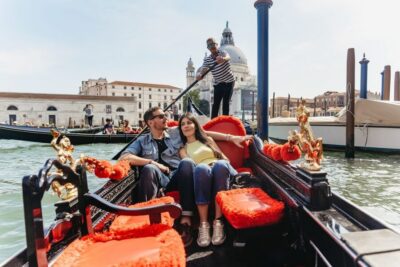
Grand Canal Gondola Ride with App Commentary
Read our review →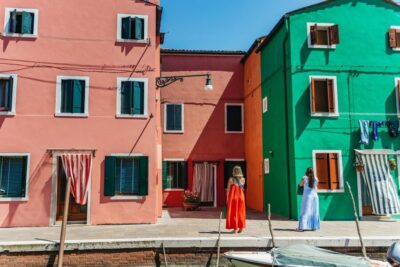
Boat Trip: Glimpse of Murano, Torcello & Burano Islands
Read our review →
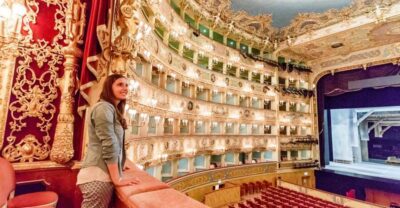
La Fenice Opera House Entry Ticket with Audio Guide
Read our review →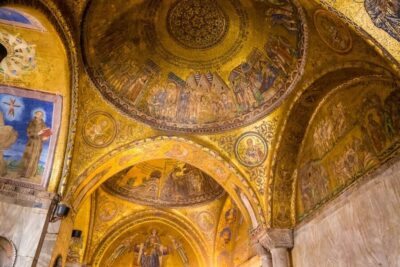
Doge’s Palace & St. Mark’s Basilica with Terrace Access Tour
Read our review →
Burano, Torcello & Murano Boat Tour w/Glassblowing
Read our review →
Murano and Burano Boat Tour with Glass Factory Visit
Read our review →Browse the lists this tour appears in