
Reviewed · TOURS IN SARDINIA
Alghero – Dolphin Watching and Guided Snorkeling (summer tour)
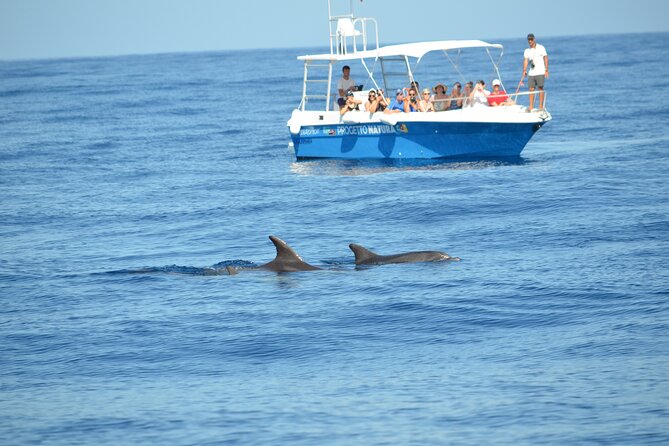
The best part of this Alghero boat trip is that the dolphin search is tied to real research. A MareTerra NGO scientist explains dolphin behavior, plays recorded calls, and may identify animals by their dorsal fins, age, names, and health. I like that the boat follows a low-impact code instead of rushing toward wildlife. I also like the small maximum group of 12, which gives you a better chance to hear the guide and ask questions.
The second strong point is the guided snorkeling in the protected waters of Capo Caccia and Isola Piana. Fabio, Francesco, Gabriella, and the wider guide team bring genuine enthusiasm to the work. The main drawback is simple: dolphins are wild animals, not a scheduled show. The stated sighting chance is about 80 percent, but there is no refund if they stay away, and snorkeling can be canceled for safety without changing the ticket price.
Key points to know before booking
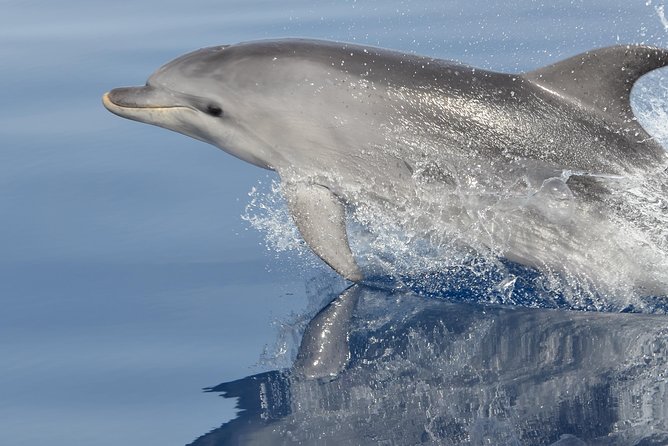
- Dolphin research on board: A MareTerra marine biologist explains behavior, conservation, sounds, and photo-identification during the search.
- A respectful approach: The boat follows an international wildlife code and avoids getting too close or causing stress.
- Two-part experience: You get a dolphin search and a guided look at Mediterranean marine life near Capo Caccia.
- Small group limit: The boat carries no more than 12 people, a useful advantage for listening and spotting.
- Bring practical gear: Pack water, a towel, swimsuit, sun cream, sunglasses, and a hat. There is no toilet on board.
- Plan for nature’s uncertainty: Sea conditions can cancel the trip, and a dolphin-free outing is still charged at the regular price.
Why this Alghero dolphin tour feels different
Many boat trips sell the promise of seeing wildlife. This one puts the explanation first. During the four-hour outing, you are not simply scanning the water while a captain drives around. A scientist from MareTerra NGO discusses dolphin biology, social behavior, conservation status, and the pressures affecting their habitat.
That makes the trip worthwhile even during a quiet search. You learn how scientists recognize individual dolphins from the shape and markings of their dorsal fins. If conditions allow a close enough view, the team may tell you the animal’s name, approximate age, and health status. You can also hear dolphin sounds recorded by the researchers, an unusual detail that gives the experience more substance than a standard sightseeing cruise.
The guides take questions and keep the talk connected to what you are seeing. Fabio is named often as a particularly engaging guide, while Francesco, Gabriella, Nikol, and Daisy have also worked with groups. Their approach is friendly and relaxed, but the conservation message remains central.
I especially like the balance here. You get the excitement of searching for dolphins, but you are also reminded that the animals set the schedule. That is the right attitude for wildlife watching.
Other places to get in the water around Sardinia:
- Tropea: Capo Vaticano Boat Trip with Snorkeling & Drink
★ 4.6 · 1,130 reviews - Amalfi Coast: Boat and Snorkeling Tour with Fruit & Drinks
★ 4.9 · 985 reviews - Sardegna: Tavolara Boat Tour with Snorkeling
★ 4.9 · 921 reviews
Leaving Alghero for Capo Caccia
You meet at Progetto Natura, on Lungomare Barcellona in Alghero, and return to the same point at the end. The meeting place is close to public transportation, and the experience includes entrance to the Capo Caccia and Isola Piana Marine Protected Area.
The boat heads along one of Sardinia’s most attractive coastal stretches. The protected waters are part of the pleasure, even before you see a dolphin. The crew points out coastal features and explains the connection between healthy marine habitat and the animals you hope to find.
The boat uses a latest-generation engine designed to reduce noise and fuel consumption. That matters for two reasons. It lowers the tour’s environmental footprint, and a quieter boat is less intrusive when wildlife is nearby. The crew also follows an international code of conduct when approaching dolphins and other animals.
Expect the route and timing to change according to sea conditions and wildlife movement. The tour is not built around a fixed promise that dolphins will appear at a certain place. The crew searches carefully, keeps watch, and explains what is happening.
The dolphin search, with science in the foreground
The advertised sighting probability is about 80 percent, which is high for wild dolphins. Still, you should treat that figure as a possibility rather than a guarantee. Several outings have produced groups of dolphins, including mothers with calves, and some lucky trips have included a whale as well. Other days have brought only the boat ride, coastal views, and the educational program.
When dolphins are found, the crew moves closer according to its conduct rules. The point is to observe without cutting across the animals’ path, chasing them, or encouraging them to approach the boat. That may mean the view feels less dramatic than a fast commercial pursuit, but it is far better for the animals.
You may see dolphins swimming, surfacing, or jumping. The amount of time they remain visible cannot be promised. One particularly fortunate outing involved a group of seven dolphins for about half an hour, while another group included nine animals. Those are wonderful possibilities, not standard results.
The photo-identification work adds a memorable layer. A dorsal fin can act like a fingerprint, allowing the researchers to track individuals over time. Hearing the guide connect a dolphin in front of you with a known animal, its age, and its condition helps you understand that these are not anonymous attractions. They are studied members of a local population.
This is also where the tour earns its low-impact label. The aim is not simply to get the closest photograph. The aim is to collect observations and teach you how responsible wildlife watching works.
Snorkeling in the Marine Protected Area
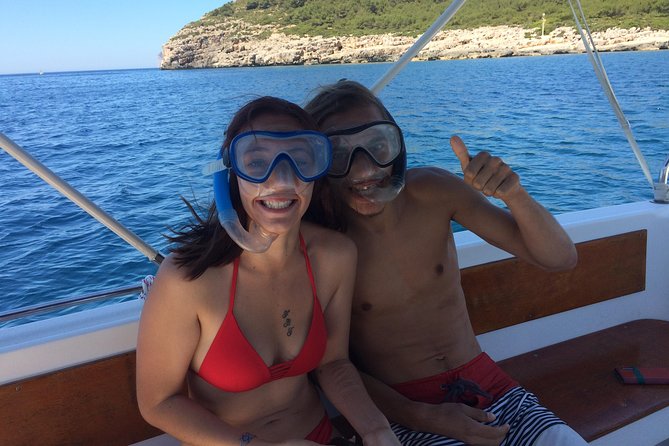
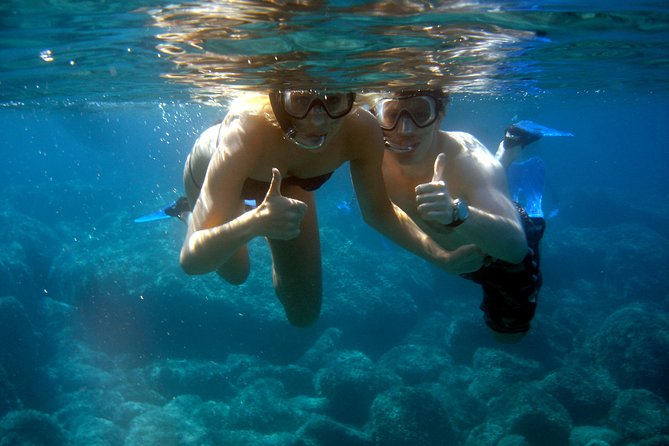
After the dolphin search, the boat stops in the Capo Caccia and Isola Piana area for guided snorkeling. Masks and fins are included, and the crew provides instruction in the water. A guide with lifesaving certification is part of the team, and life jackets have been available for less confident swimmers.
You do not need much snorkeling experience to take part. The guides help you get comfortable and point out fish, marine plants, and other small creatures. They also use species booklets and illustrations to help you identify what you have seen after returning to the boat.
The snorkeling is best understood as a look at temperate Mediterranean sea life, not a tropical reef experience. The water may be cool, and the fish population can vary from one day to the next. You might see small fish, an octopus, a barracuda, or rocky underwater scenery. You should not expect the dense, colorful marine life associated with Egypt or Zanzibar.
That comparison is important when deciding if the stop suits you. If you want tropical-style snorkeling, this is not the right trip. If you enjoy learning how local marine habitats work and seeing the ordinary life of Sardinia’s protected waters, it adds a useful second half to the day.
Stay close to the group in the water. Several people may be snorkeling at once, and it is easy to swim into another person if you spread out or stop suddenly. Follow the guide’s instructions, especially if you are new to snorkeling.
If the sea is too rough or conditions make snorkeling unsafe, the crew continues looking for dolphins instead. The price does not change in that situation, so book this as a combined nature outing rather than paying only for a snorkeling stop.
Other wildlife boats from Sardinia:
- Golfo Aranci: Eco-Friendly Dolphin Watching Boat Trip
★ 4.8 · 2,846 reviews - Golfo Aranci: Kayak Tour with Dolphins and Aperitif
★ 4.9 · 1,731 reviews - Olbia: Dolphin Watching & Snorkeling Boat Tour near Figarolo
★ 4.9 · 670 reviews - Taormina: Sunset Boat Tour with Dolphin Watching & Aperitif
★ 5.0 · 454 reviews
What the four hours feel like
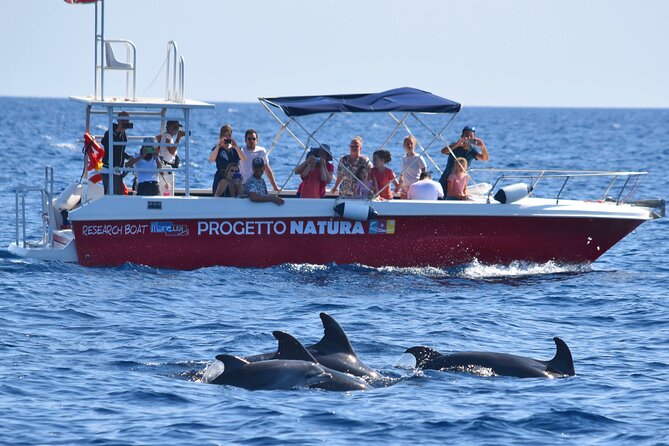
The outing has a clear rhythm. You meet the crew, board the boat, and begin with an introduction to dolphins and the research program. The search then occupies much of the navigation, with explanations about behavior, sounds, conservation, and the coast.
The crew may stop to let you take photographs, but this is not a nonstop photo tour. You need to remain patient and keep watching the water. Reading the identification booklets while the boat is moving can make some people feel seasick, so save detailed reading for when the boat is still.
Once the dolphin search is complete, the group heads to a snorkeling area. The guides explain how to use the equipment and what to look for. After the water session, they discuss the fish and other life you saw before returning to Alghero.
The maximum group size is 12. That is small enough for a personal feel, especially compared with large excursion boats, but it does not mean you have a private charter. You will share the snorkeling area, the guide’s attention, and the best viewing spots with the rest of the group.
The tour is suitable for children from age five. Parents should still consider the child’s comfort on a moving boat, in open water, and during a potentially long period of waiting for dolphins. The crew can provide life jackets for less confident swimmers, but you should disclose any condition that could affect physical effort or safety in the water, including asthma or angina.
Price, group size, and practical value
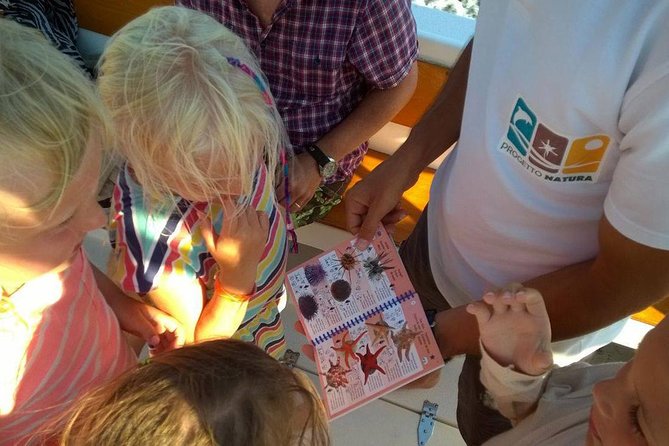
At $78.64 per person, the tour is not the cheapest way to take a boat out of Alghero. It is also more than a simple coastal cruise because the price includes Marine Protected Area entry, masks and fins, marine biologists, certified nature guides, a lifesaving-certified guide, and educational material.
The value depends on what you want from the outing. If you only want a guaranteed boat ride or a guaranteed dolphin photograph, this price may feel risky. No company can guarantee wild dolphins, and this one clearly says there is no refund if the animals do not appear.
If you value responsible wildlife watching, expert interpretation, and a small group, the cost is easier to justify. You are supporting a program connected to research rather than buying a quick ride with a vague promise. The snorkeling gives you a second activity, so the four-hour length does not depend entirely on dolphin luck.
Bring your own water, towel, swimsuit, sun cream, sunglasses, and hat. The boat has no toilet. You need to send your shoe size after booking so the crew can prepare masks and fins, and telling the operator about relevant medical conditions is important.
The boat may leave later, end early, or be canceled if wind, waves, mechanical problems, health issues, low bookings, or a conservation monitoring request make the trip unsafe or unsuitable. If weather causes cancellation, you can choose another date if available or receive a full refund. You can also cancel for a full refund up to 24 hours before the start time. Within 24 hours, cancellation changes are not accepted and the payment is not refunded.
The honest drawbacks
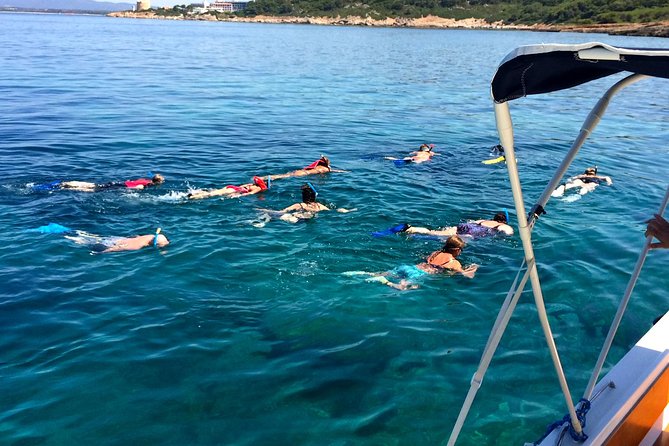
The biggest risk is the dolphin guarantee. An 80 percent chance sounds encouraging, but one outing can still produce no sighting. You need to be comfortable with that before booking. The crew does not offer a refund simply because nature fails to cooperate.
The second issue is the snorkeling. Mediterranean snorkeling can be subtle. You may see rocky seabed, green marine growth, and small fish rather than a huge display of color. Some masks may not fit every face perfectly, although the crew can assist and try different equipment.
Sea conditions can affect the ride, the visibility, and the comfort level. If you are prone to motion sickness, bring whatever you normally use and avoid reading while the boat is moving. The provided information does not mention seasickness medication, so handle that preparation yourself.
Finally, there is no toilet on board. Four hours is manageable for many people, but use facilities before departure and avoid treating the boat like a floating base with unlimited comforts.
Who should book this experience
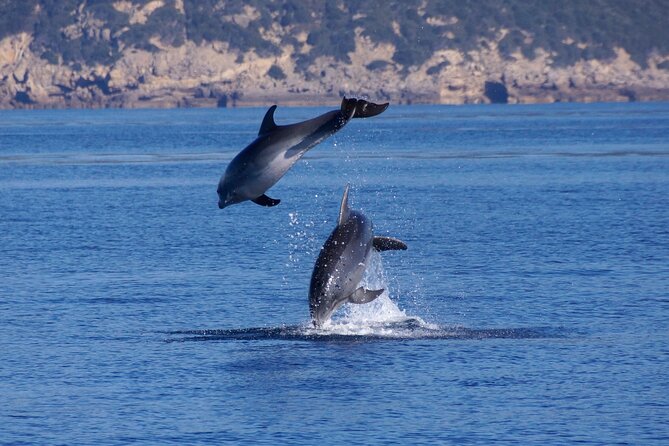
I would choose this tour if you want wildlife watching with a conservation purpose. It suits people who enjoy learning, asking questions, and accepting that wild animals cannot be ordered into view.
It is a good fit for families with children aged five and older, especially children interested in animals or the sea. The guides explain things clearly, and the snorkeling gives younger participants something active to look forward to after the search.
It also suits first-time snorkelers because the guide accompanies you and gives instruction. Less confident swimmers can use a life jacket, though you still need to be comfortable entering the sea.
I would look elsewhere if your main goal is a guaranteed dolphin encounter, tropical snorkeling, a private boat, or onboard facilities such as a toilet. I would also think twice if you dislike waiting, open-water conditions, or uncertain plans.
Should you book the Alghero dolphin and snorkeling tour?
Book it if you want a thoughtful four-hour nature outing that combines dolphin research, coastal scenery, and a supervised look at local sea life. The strongest reasons are the MareTerra scientists, the respectful approach to dolphins, the small group limit, and the chance to learn how individual animals are identified.
Go in with realistic expectations. You may see a dolphin family, hear their calls, and remember the moment for years. You may also spend the day learning about them without seeing one. If that second result would still feel worthwhile, this is a responsible and well-rounded choice in Alghero. If not, save your money for an activity with a guaranteed subject.
FAQ
How long is the Alghero dolphin and snorkeling tour?
The experience lasts approximately four hours and ends back at the meeting point in Alghero.
Where does the tour start?
It starts at Progetto Natura, Lungomare Barcellona, 07041 Alghero SS, Italy.
Are dolphins guaranteed?
No. The operator gives an approximate 80 percent chance of seeing dolphins, but no sighting is guaranteed and there is no refund if dolphins are not found.
Is snorkeling equipment included?
Yes. Masks and fins are included, along with guided snorkeling and entrance to the Capo Caccia and Isola Piana Marine Protected Area.
What should I bring?
Bring water, a beach towel, swimsuit, sun cream, sunglasses, and a sunhat. There is no toilet on board.
What happens if bad weather cancels the trip?
You can choose another available date or receive a full refund. The same options apply if the required minimum number of participants is not reached.
Just added in Sardinia
- Sailing day trip on Tall Ship Andrea Jensen with Lunch and Wine★ 5.0 · 360 reviews
- Cala Gonone: Dinghy Excursion to C. Mariolu and C. Goloritzè★ 4.7 · 1,085 reviews
- From San Teodoro: Tavolara Archipelago Grand Tour★ 4.8 · 285 reviews
- Porto Conte: Half-day catamaran tour with aperitif★ 4.8 · 228 reviews
- Olbia: Maddalena Archipelago Boat Tour with Minibus Transfer★ 4.7 · 221 reviews
- Cala Gonone: Gulf of Orosei Cruise with Beach Stops★ 4.4 · 227 reviews
- Guided cruise to Cala Goloritzè, Cala Mariolu, Cala Gabbiani, and Biriala★ 4.8 · 186 reviews
- Cala Gonone: Grotta del Bue Marino and Cala Luna Boat Tour★ 4.0 · 298 reviews
Tours in Sardinia, compared.

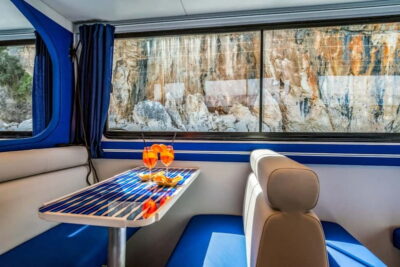
From Cala Gonone: Gulf of Orosei Cruise to Cala Goloritzè
Read our review →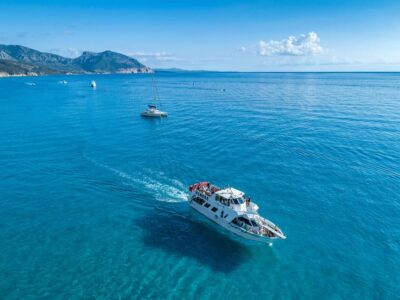
Cala Gonone:Cruise in the Gulf of Orosei with Cala Goloritzé
Read our review →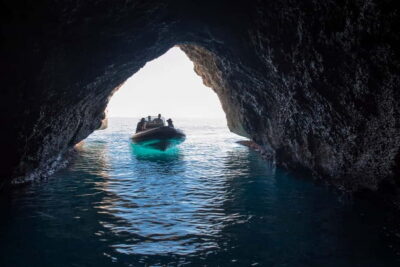
Cala Gonone: Dinghy Excursion to C. Mariolu and C. Goloritzè
Read our review →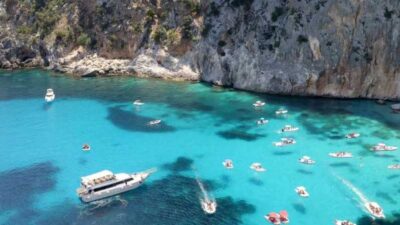
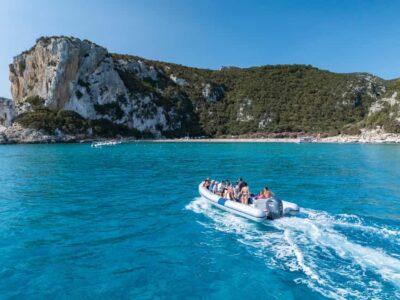
Cala Gonone: Gulf of Orosei Dinghy Cruise with Swim Stops
Read our review →
From Arbatax: RIB tour to Cala Mariolu and Cala Goloritzè
Read our review →
Browse the lists this tour appears in